

10 unique educational enamel pin ideas for teachers
Educators, event planners, and collectors know the struggle of finding enamel pins that genuinely inspire learning while remaining visually appealing and memorable. Generic designs fail to capture the imagination or reinforce educational concepts effectively. You need pins that spark curiosity, reward achievement, and serve as lasting reminders of important lessons or events. This article delivers ten carefully curated educational enamel pin ideas tailored for classrooms, academic events, and personal collections. You’ll discover design inspirations spanning science, history, language, and creativity, plus practical guidance on selecting pins that align with your specific teaching goals and audience needs.
Table of Contents
- Key takeaways
- Criteria for selecting educational enamel pins
- Top 10 educational enamel pin ideas for classrooms and events
- Comparing enamel pin types and their suitability for education
- How to decide the best educational enamel pin for your needs
- Explore custom educational enamel pins at PinPerfect
- Frequently asked questions
Key Takeaways
| Point | Details |
|---|---|
| Define purpose | Clearly articulate whether pins reinforce daily lessons, accompany events, or form a cohesive collector series to guide every design decision. |
| Design relevance matters | Choose visuals that directly reflect the subject matter and suit the audience’s age to maximize recognition and impact. |
| Order samples first | Request physical samples to verify color accuracy, finish, and size before committing to large quantities. |
| Cost versus impact | Balance budget with design complexity by calculating cost per pin against audience size to find the sweet spot where quality meets affordability. |
Criteria for selecting educational enamel pins
Before diving into specific design ideas, you need a framework for evaluating which pins will serve your educational goals most effectively. The right selection criteria ensure your investment delivers lasting value rather than ending up forgotten in desk drawers.
Start by defining your purpose clearly. Are you creating teaching tools that reinforce daily lessons? Planning event giveaways that participants will treasure? Building a collector’s series that tells a cohesive educational story? Your answer shapes every subsequent design decision, from size and complexity to quantity and budget allocation.
Design relevance matters enormously. Visuals must connect authentically to your subject matter or theme, using symbols, colors, and imagery that students or attendees immediately recognize and understand. A chemistry pin featuring a beaker and molecular structure resonates far more than abstract shapes that require explanation. Age appropriateness also factors here, as elementary students respond to different aesthetics than college attendees.
Quality determines longevity and perceived value. Pins boost event engagement precisely because they feel substantial and worth keeping. Durable craftsmanship ensures pins withstand frequent wear on backpacks, jackets, and lanyards without fading or breaking. Recipients treat high quality items as treasures rather than disposables.
Messaging requires careful consideration. Text should be clear, inspiring, and appropriate for your audience’s reading level and cultural context. A pin celebrating scientific achievement might feature “Curiosity Ignites Discovery” rather than technical jargon that alienates non-specialists. Symbols often communicate more universally than words, making them ideal for diverse or international audiences.
Affordability balances budget constraints against design complexity. Simple two color designs cost significantly less than intricate multi-layer compositions, but sometimes the extra investment creates disproportionate impact. Calculate cost per pin against your total audience size and distribution strategy to find the sweet spot between quality and financial sustainability.
Pro Tip: Order sample pins before committing to large quantities. Physical samples reveal color accuracy, finish quality, and size appropriateness that digital mockups cannot capture, preventing costly disappointments.
Top 10 educational enamel pin ideas for classrooms and events
These ten design concepts span diverse educational domains, offering inspiration for various teaching contexts and learning objectives. Each idea adapts easily to different age groups and customization needs.
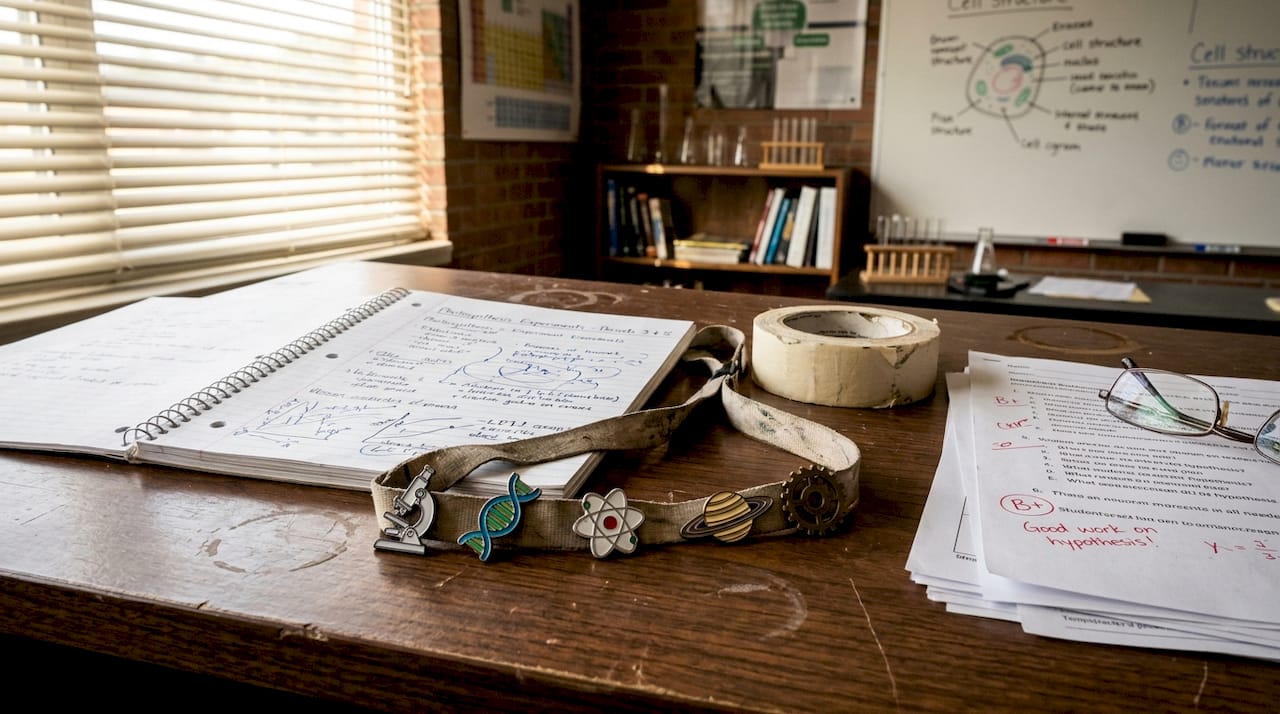
STEM icons make science tangible and exciting. Microscopes, DNA helixes, atomic structures, planetary systems, and engineering gears transform abstract concepts into wearable celebrations of scientific inquiry. A pin featuring a colorful atom with orbiting electrons becomes a conversation starter about chemistry, while a telescope design honors astronomy enthusiasts. These pins work brilliantly as rewards for science fair participation or lab achievement milestones.
Motivational quotes provide daily encouragement. Phrases like “Growth Happens Outside Comfort Zones,” “Mistakes Prove You’re Trying,” or “Questions Lead to Answers” reinforce growth mindset principles. Pair text with complementary imagery such as mountains for perseverance or lightbulbs for innovation. Custom enamel pins serve as effective teaching tools when they embody values you want students to internalize.
Historical figure caricatures bring curriculum to life. Stylized portraits of scientists, inventors, authors, civil rights leaders, or cultural icons create visual anchors for biographical units. A set featuring Marie Curie, Albert Einstein, and Jane Goodall celebrates scientific pioneers, while another highlighting Maya Angelou, Frederick Douglass, and Malala Yousafzai emphasizes social justice voices. Students collect the series as they study each figure.
Language learning pins accelerate vocabulary acquisition. Design pins featuring common words or phrases in target languages, using flag colors or cultural symbols as backgrounds. “Bonjour” with the Eiffel Tower, “Hola” with a guitar, or “Konnichiwa” with cherry blossoms make language study visually memorable. Award pins as students master proficiency levels or complete cultural units.
Eco-friendly themes promote environmental stewardship. Designs featuring recycling symbols, endangered species, renewable energy icons, or planet Earth with protective hands teach sustainability principles. A pin showing a tree with visible roots and the phrase “Small Actions, Big Impact” encourages ecological responsibility. These work exceptionally well for Earth Day events or environmental science courses.
Math symbol sets turn abstract notation into interactive rewards. Create collections featuring pi, infinity signs, geometric shapes, famous equations, or number patterns. A Fibonacci spiral pin appeals to advanced students, while colorful fraction circles engage elementary learners. Students earn pins by mastering concepts, building a wearable portfolio of mathematical achievement.
Arts and creativity themes celebrate self-expression. Paintbrushes, musical notes, theater masks, camera icons, or dancing figures honor students’ artistic pursuits. A pin featuring a palette with rainbow colors validates visual artists, while a treble clef recognizes musicians. Use these for arts showcase events, recital participation, or creative writing accomplishments.
Literacy celebration designs encourage reading habits. Stack of books, open pages with flowing words, library buildings, or favorite literary characters make reading feel special. A pin showing a book with a magic wand emerging symbolizes imagination’s power. Award these for reading challenges, book club participation, or library volunteering.
Critical thinking icons emphasize analytical skills. Chess pieces, puzzle pieces fitting together, question marks, or brain illustrations with gears inside represent problem solving abilities. These pins work well for debate teams, logic competitions, or philosophy courses where reasoning skills take center stage.
Global citizenship symbols foster cultural awareness. World maps, interconnected hands of different colors, peace doves, or flags arranged in harmony promote inclusivity and international understanding. A pin featuring children holding hands around a globe teaches unity in diversity, perfect for multicultural events or foreign exchange programs.
Comparing enamel pin types and their suitability for education
Understanding technical differences between pin styles helps you match manufacturing choices to educational contexts and budget realities. Each type offers distinct advantages depending on your specific needs.
| Pin Type | Finish | Durability | Cost | Best Educational Use |
|---|---|---|---|---|
| Hard enamel | Smooth, polished, flush with metal | Highest, resists scratches and fading | Higher | Long-term awards, collector series, formal recognition programs |
| Soft enamel | Textured, recessed enamel below metal lines | Good, colors may fade with heavy wear | Lower | Classroom rewards, large event giveaways, frequent distribution programs |
| Painted | Highly detailed, smooth surface | Moderate, requires protective coating | Medium | Complex designs, realistic portraits, detailed illustrations |
| Die struck | No enamel, metal only with recessed details | Excellent, extremely durable | Lowest | Budget-conscious programs, minimalist designs, antique aesthetics |
Hard enamel pins deliver premium quality through a multi-step process that fills recessed areas with enamel, then polishes the entire surface until perfectly smooth. The result feels substantial and looks professional, making these ideal for significant achievements like graduation, competition victories, or multi-year program completion. Students perceive hard enamel pins as valuable keepsakes worth displaying prominently.
Soft enamel pins offer vibrant color at accessible price points. Enamel pins offer varying durability and aesthetic finishes influencing their application across educational settings. The textured surface creates visual interest and tactile appeal, though colors may dull slightly with extensive handling. These work beautifully for weekly classroom rewards, participation incentives, or large conference giveaways where quantity matters more than premium finishes.
Painted pins accommodate intricate artwork and photorealistic detail impossible with traditional enamel. A protective epoxy coating seals the design, though this layer can yellow or crack over years. Choose painted pins when your design requires gradients, complex shading, or fine detail that enamel cannot capture, such as accurate historical portraits or detailed scientific diagrams.
Die struck pins eliminate enamel entirely, relying on recessed metal details for visual interest. Antique finishes like bronze, copper, or silver create sophisticated aesthetics perfect for history-focused programs or classical education themes. The durability and low cost make these practical for programs distributing hundreds of pins annually.
Pro Tip: Request metal plating samples when ordering. Gold, silver, copper, and black nickel finishes dramatically alter a design’s appearance and formality level, helping you match pins to event tone and audience expectations.
How to decide the best educational enamel pin for your needs
Synthesizing earlier criteria, design ideas, and technical options into a clear decision requires systematic evaluation of your specific situation. Follow this process to confidently select or commission ideal educational pins.
-
Define your target audience with precision. Elementary students respond to bright colors and playful imagery, middle schoolers prefer cooler designs that feel mature, high schoolers want sophisticated aesthetics, and adult learners appreciate minimalist professionalism. Age-appropriate design choices determine whether pins get worn proudly or hidden away.
-
Clarify your event or program purpose explicitly. Teaching tools require durable designs students handle daily, while one-time event giveaways can prioritize visual impact over longevity. Collector series demand cohesive themes across multiple designs, whereas standalone awards need immediate recognizability without context.
-
Establish your budget parameters realistically. Calculate total costs including design fees, manufacturing minimums, shipping, and packaging. Most manufacturers require minimum orders between 50 and 100 pins, so unit costs decrease significantly with larger quantities. Factor in whether you’ll reorder the same design or create new versions annually.
-
Select pin style using the comparison table insights. Match hard enamel to premium recognition needs, soft enamel to frequent distribution programs, painted pins to complex artwork requirements, and die struck to budget-conscious or vintage aesthetics. Collaborate on pin design with manufacturers who understand educational contexts and can suggest optimal technical approaches.
-
Develop your design concept with stakeholder input. Involve students, fellow educators, or event participants in brainstorming to ensure designs resonate authentically. Simple sketches or mood boards communicate ideas effectively to manufacturers, who then create digital mockups for refinement. Iterative feedback prevents misalignment between vision and final product.
-
Plan your distribution strategy thoughtfully. Will you award pins for specific achievements, sell them as fundraisers, include them in registration packets, or display them for self-selection? Distribution method influences quantity, packaging needs, and whether you need backing cards with explanatory text.
-
Consider complementary products that extend your program’s reach. Matching magnets, keychains, or stickers featuring the same design create cohesive merchandise collections. Some students prefer non-wearable options, so offering alternatives increases participation and satisfaction.
Explore custom educational enamel pins at PinPerfect
Ready to transform these ideas into tangible pins that inspire learning and celebrate achievement? PinPerfect specializes in custom enamel pin design and manufacturing for educational institutions, event planners, and collectors seeking meaningful accessories. Our expert team collaborates closely with you to refine concepts, select optimal materials, and ensure your vision translates perfectly into wearable art.
Browse our collection to discover inspiration for your next educational pin project. The Tubi 60 bottle magnet and Goldstar bottle magnet showcase our craftsmanship and attention to detail, demonstrating the quality you can expect across all custom orders. Whether you need 50 pins for a single classroom or 5,000 for a district-wide initiative, we handle projects of every scale with the same commitment to excellence. Visit PinPerfect today to start designing educational pins that students will treasure for years.
Frequently asked questions
What are some popular educational themes for enamel pins?
Popular themes include STEM subjects like chemistry and astronomy, historical figures and events, motivational quotes promoting growth mindset, foreign language vocabulary, environmental conservation, mathematical symbols and equations, and artistic expression through music or visual arts. These themes engage diverse learning objectives and appeal to various age groups and interests. Choosing themes aligned with your curriculum or event focus ensures pins reinforce rather than distract from educational goals.
How do enamel pins enhance engagement at educational events?
Pins serve as tangible, memorable tokens that increase participant involvement and create lasting connections to event content. Enamel pins can boost engagement and recall by up to 50% at events by providing physical reminders of experiences and lessons. They function as conversation starters, encouraging attendees to share stories about how they earned specific pins. The collectible nature motivates continued participation across multiple events or program years.
What is the difference between hard and soft enamel pins?
Hard enamel pins have polished smooth surfaces where enamel sits flush with metal borders, creating a premium feel and exceptional durability. Soft enamel pins feature recessed enamel below raised metal lines, producing a textured surface with vibrant colors at lower costs. Hard enamel suits formal recognition programs and long-term keepsakes, while soft enamel works well for frequent classroom rewards and large-scale event distributions where budget matters.
How can educators collaborate on enamel pin design?
Engage students, colleagues, and stakeholders early in brainstorming sessions to gather diverse perspectives and ensure designs resonate authentically. Collaborative design enhances pin relevance and impact for custom orders by incorporating multiple viewpoints. Work directly with manufacturers who welcome iterative feedback, providing sketches or reference images to communicate your vision. Request digital mockups and physical samples before approving final production, allowing adjustments that perfect the design.
Can enamel pins be used as fundraising tools for schools?
Absolutely. Schools successfully sell custom enamel pins featuring mascots, school colors, anniversary commemorations, or special programs to raise funds while building community pride. Pins offer high perceived value relative to production costs, creating favorable profit margins. Students enjoy collecting limited edition designs, and alumni often purchase pins as nostalgic keepsakes. Selling pins at sporting events, parent nights, and school stores generates ongoing revenue streams while strengthening school identity and spirit.