

Museum branding pins boost visitor engagement 50%
Custom enamel pins can increase museum event engagement by up to 50% and drive 25% higher visitor interaction scores compared to visits without tangible takeaways. Despite their proven effectiveness, many museum branding managers overlook pins as strategic merchandise. This guide explores how enamel pins transform museum branding through identity reinforcement, emotional connections, and measurable visitor loyalty while addressing common misconceptions about their modern relevance.
Table of Contents
- Introduction To Museum Branding And Merchandise
- How Custom Pins Build Institutional Identity
- Enhancing Visitor Engagement Through Enamel Pins
- Custom Pin Design Principles For Museums
- Operational And Community Roles Of Museum Pins
- Practical Considerations: Cost, Packaging, And Distribution
- Common Misconceptions And Realities About Museum Pins
- Conclusion And Next Steps For Museum Branding Managers
- Explore Custom Enamel Pins For Your Museum Branding
- Frequently Asked Questions
Key takeaways
| Point | Details |
|---|---|
| Brand ambassadors | Pins serve as portable visual symbols that reinforce museum identity and extend brand reach beyond physical visits. |
| Visitor engagement | Custom pin programs boost engagement by 25% and increase repeat visits by 30% through emotional connections. |
| Design alignment | Pins aligned with exhibits and limited editions create collectible desire and strengthen thematic resonance. |
| Operational versatility | Pins identify staff, commemorate events, and build community while supporting internal and external branding. |
| Cost effectiveness | Bulk ordering and strategic packaging increase perceived value by 15-20% while maintaining budget efficiency. |
Introduction to museum branding and merchandise
Museum branding encompasses the visual identity, messaging, and emotional associations that define how visitors perceive and remember an institution. Strong branding differentiates museums in competitive cultural landscapes while building trust and loyalty among diverse audiences. Merchandise serves as a tangible extension of this brand identity, transforming passive visitors into active brand ambassadors who carry museum stories into their daily lives.
Enamel pins have emerged as particularly effective branding tools within museum contexts. Unlike generic souvenirs that quickly lose meaning, pins offer versatility as collectibles, fashion accessories, and conversation starters. Their compact size and durability make them ideal for repeated exposure, while customization options allow museums to create designs that resonate with specific exhibits or institutional themes.
Current trends favor meaningful, collectible items over mass-produced generic merchandise. Visitors increasingly seek souvenirs that tell authentic stories and reflect personal experiences. This shift creates opportunities for museums to leverage pins strategically:
- Limited edition series tied to temporary exhibitions generate urgency and repeat visits
- Thematic collections encourage ongoing engagement with permanent displays
- Membership exclusive pins reward loyalty and create community identity
- Event specific designs commemorate special moments and collaborative experiences
The rise of pin trading communities and social media sharing has amplified pins’ cultural relevance. Museums that embrace this momentum position themselves at the intersection of tradition and contemporary engagement strategies.
How custom pins build institutional identity
Enamel pins function as miniature brand ambassadors, translating complex institutional identities into instantly recognizable visual symbols. A well designed museum pin communicates core brand elements through logos, signature colors, and iconic imagery that visitors can wear and share. This portability extends brand visibility far beyond museum walls, creating thousands of micro-interactions as pins appear on bags, jackets, and lapels in diverse settings.
Strategic distribution maximizes this branding potential. Offering pins at membership drives, special events, and educational programs creates multiple touchpoints where brand reinforcement occurs naturally. Each distribution moment becomes an opportunity to deepen visitor relationships while expanding reach through word-of-mouth and visual presence in public spaces.
The durable nature of enamel material enhances long-term brand presence. Unlike paper materials or digital content that disappear quickly, bulk enamel pin orders create physical artifacts that remain visible for years. Research supports how durable enamel pins boost brand recall and visibility through repeated exposure in everyday contexts.
Understanding pin types helps optimize branding impact:
| Pin Type | Characteristics | Best Branding Use |
|---|---|---|
| Hard Enamel | Smooth, polished surface; premium feel | High-end collector editions; VIP programs; anniversary commemorations |
| Soft Enamel | Textured, raised metal lines; classic look | General merchandise; staff identification; event giveaways |
| Die Struck | No enamel; elegant metal-only design | Minimalist branding; professional settings; subtle institutional identity |
| Printed | Full color photo quality | Complex artwork; exhibit-specific imagery; limited runs |
Pro Tip: Choose hard enamel for collector editions that emphasize prestige and quality, while soft enamel works well for operational use where cost efficiency matters. Align 2025 enamel pin trends with your museum’s brand positioning to stay culturally relevant.
The visual consistency pins provide across touchpoints strengthens institutional identity. When staff, volunteers, and visitors all wear variations of the same branded pin, it creates visible community cohesion that reinforces belonging and shared values.
Enhancing visitor engagement through enamel pins
Enamel pins transform passive museum visits into interactive experiences by providing tangible souvenirs that trigger lasting emotional connections. Unlike photographs or ticket stubs, pins become functional accessories that visitors integrate into daily wardrobes, creating ongoing reminders of museum experiences. This sustained visibility keeps museums top-of-mind and encourages word-of-mouth recommendations through natural conversation starters.
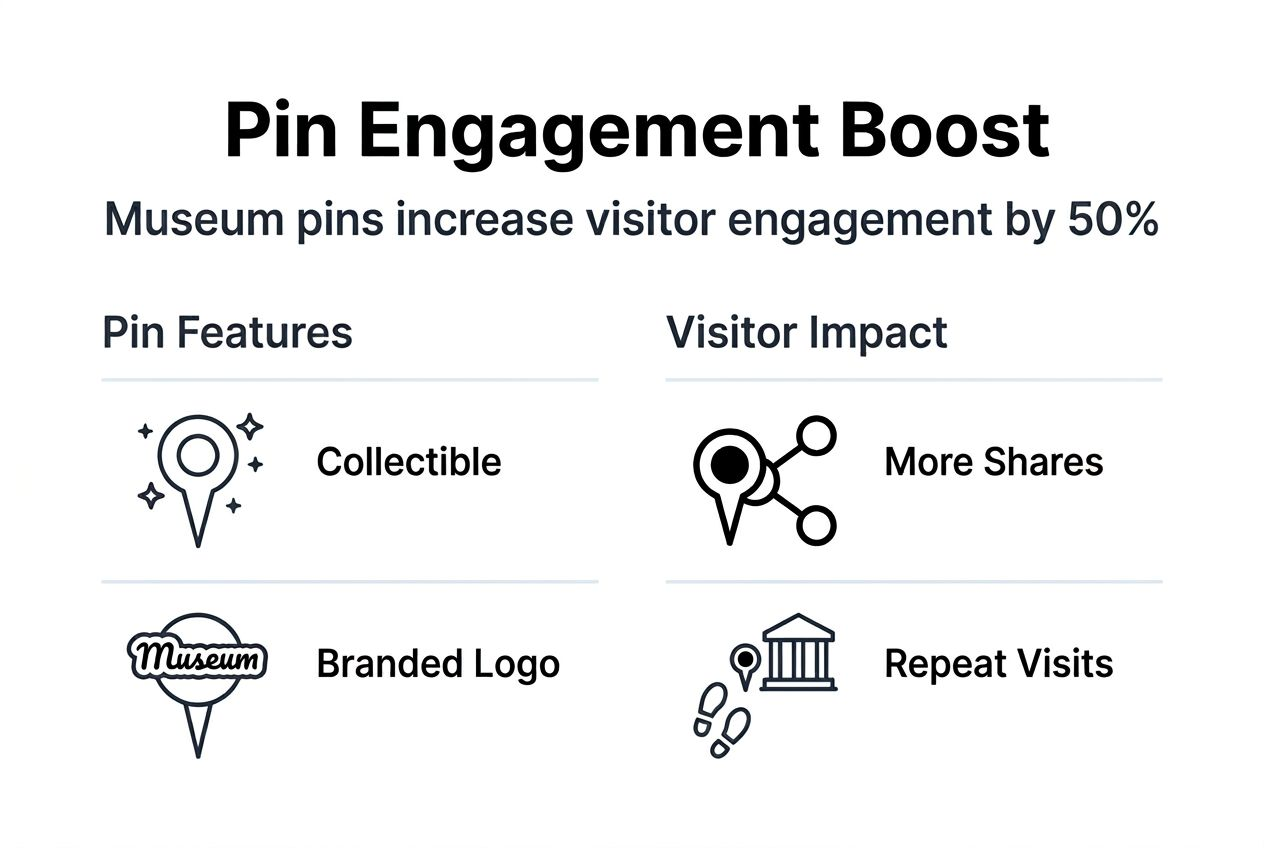
Data demonstrates significant engagement improvements. Museum pins improve visitor engagement scores by over 25% compared to visits without tangible takeaways. Additionally, institutions implementing pin programs report 30% increases in repeat visits as collectors return to complete series or acquire new releases tied to rotating exhibitions.
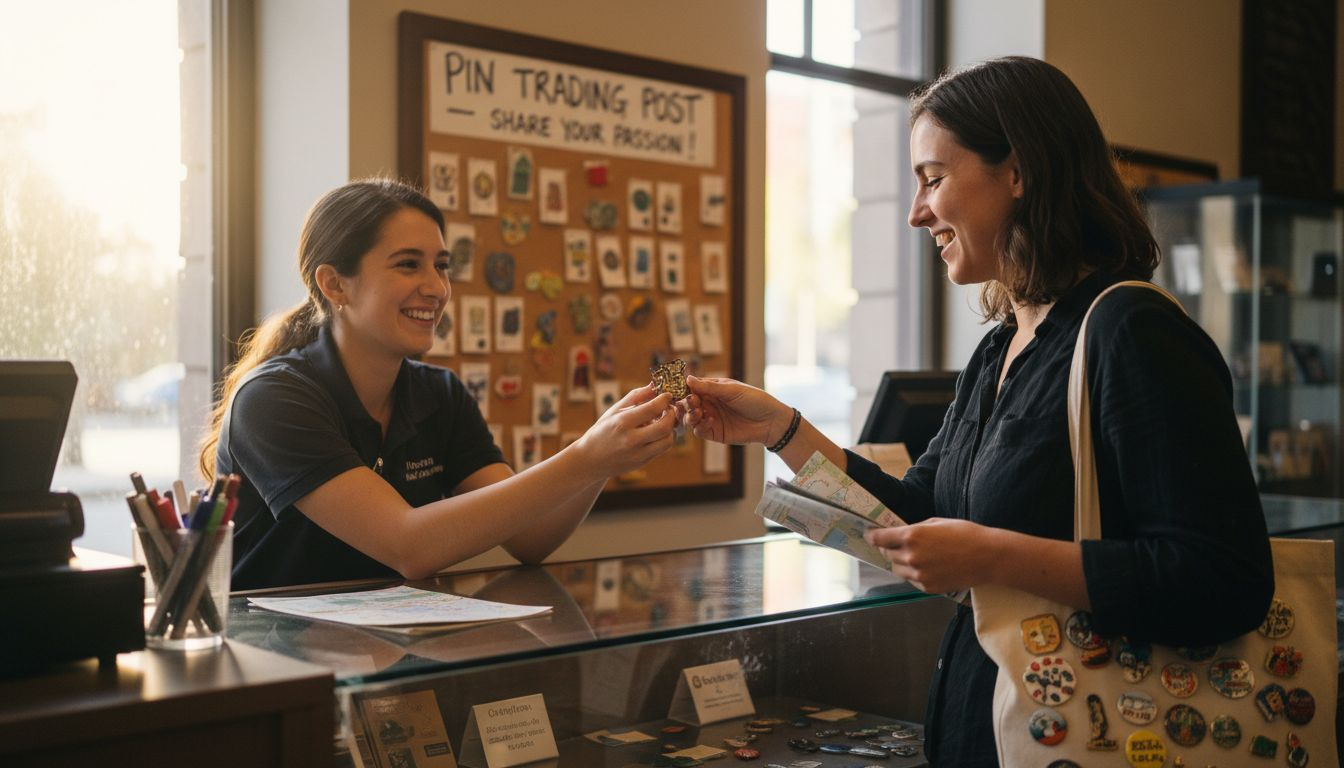
Pins excel as social catalysts during museum events. Visitors wearing pins naturally prompt questions from others, creating organic opportunities for storytelling and shared experiences. Trading or comparing pins fosters interaction among strangers, breaking down social barriers and building temporary communities within museum spaces. The role of pins in events shows they can boost engagement and recall by 50% through these interpersonal dynamics.
Collectible series deepen emotional attachment over time:
- Sequential releases tied to exhibition schedules create anticipation and return motivation
- Rare or limited variants trigger collector psychology and perceived value
- Completion incentives reward loyalty and sustained engagement
- Themed sets tell cohesive stories that mirror curatorial narratives
Visitor retention increases dramatically when museums provide collectible items that acknowledge and reward repeated engagement. Pins serve this function while remaining affordable and scalable across different budget levels.
The metrics speak clearly: pin programs deliver measurable improvements in both immediate engagement and long-term loyalty. Museums that treat pins as strategic engagement tools rather than simple merchandise unlock substantial value in visitor relationships and brand strength.
Custom pin design principles for museums
Effective museum pin design begins with deep alignment between visual elements and institutional narratives. Pins should function as miniature storytelling devices that encapsulate exhibit themes, historical moments, or collection highlights in immediately recognizable imagery. This thematic coherence ensures pins resonate emotionally while reinforcing educational messages visitors encountered during their museum experience.
Follow these design steps to maximize impact:
- Identify core stories or symbols from current exhibits that translate visually to small formats
- Develop initial concepts with your design team, focusing on clear imagery that reads well at pin scale
- Test color palettes against brand guidelines to ensure consistency across all touchpoints
- Refine details through the custom magnetic pin workflow guide to integrate feedback efficiently
- Finalize production specifications matching pin style to intended audience and distribution context
Limited editions create collectible desire and urgency that drive both sales and engagement. Releasing pins tied to temporary exhibitions or special events signals exclusivity and time sensitivity. Visitors perceive these items as unique mementos rather than generic merchandise, increasing emotional value and willingness to purchase. Numbering editions or creating variant colorways amplifies this psychology.
Balancing artistic appeal with brand messaging requires careful consideration. Pins must be visually attractive enough to function as fashion accessories while maintaining clear institutional identity. Avoid overcrowding designs with text or excessive detail that becomes illegible at small scale. Instead, use iconic symbols, signature colors, and minimal typography that communicates instantly.
Selecting appropriate pin styles enhances thematic fit. A contemporary art museum might favor bold, geometric hard enamel designs, while a natural history institution could embrace detailed soft enamel with organic textures. Match finish choices to your audience’s aesthetic preferences and the emotional tone you want to convey. Reviewing promotional pin design tips provides additional insight into creating memorable designs.
Pro Tip: Collaborate closely with designers early in the concept phase to ensure thematic resonance and brand alignment. Early feedback integration prevents costly revisions and accelerates production timelines while maintaining creative quality.
Successful pin design transforms abstract brand values into concrete visual expressions that visitors want to wear and share. This translation process requires both artistic skill and strategic thinking about how small objects can carry big institutional meanings.
Operational and community roles of museum pins
Beyond merchandising, pins serve critical operational functions that enhance professionalism and organizational clarity. Staff and volunteer identification pins provide instant visual recognition, helping visitors quickly identify who can assist them. This visibility improves service delivery while reinforcing institutional structure through consistent branding across all personnel levels.
Differentiated pin designs for various roles create clear hierarchies:
- Docent pins signal educational expertise and tour leadership
- Security pins establish authority and safety presence
- Volunteer pins recognize community contribution and dedication
- Executive pins denote senior leadership for formal occasions
Emotional community bonds strengthen when members share visible symbols of belonging. Pins create tangible markers of insider status that foster pride and collective identity among staff, volunteers, donors, and frequent visitors. This shared visual language builds cohesion across diverse stakeholder groups who might otherwise have limited interaction.
Commemorative pins celebrate collaborative moments and institutional milestones in ways that certificates or plaques cannot match. Anniversary pins mark organizational longevity, while partnership pins recognize external collaborations. Event-specific designs capture unique moments, transforming temporary experiences into permanent keepsakes. These commemorative functions serve both internal morale and external relationship building.
Pins integrate branding efforts by creating consistency across internal operations and external engagement. When the same design language appears on staff identification, donor recognition, and visitor merchandise, it reinforces unified institutional identity. This visual coherence strengthens brand perception and demonstrates organizational attention to detail across all touchpoints.
The operational versatility of pins makes them valuable beyond traditional marketing contexts. They simultaneously serve functional, ceremonial, and community-building purposes while maintaining cost efficiency and scalability across large organizations.
Practical considerations: cost, packaging, and distribution
Budgeting pin production requires understanding economies of scale and quality tradeoffs. Bulk enamel pin orders significantly reduce per-unit costs, making larger initial investments more cost-effective over time. However, museums must balance quantity discounts against storage capacity and demand forecasting to avoid overproduction.
Packaging choices directly impact perceived value and sales performance. Branded packaging can increase merchandise sales by 15-20% through enhanced perceived value. Custom backing cards featuring exhibit information or institutional history transform simple pins into premium collectibles. Clear protective sleeves preserve quality while allowing visibility, and gift boxes elevate pins to presentation-worthy status suitable for donors or VIP guests.
Effective distribution maximizes visibility and accessibility:
- Museum stores provide primary retail channels with curated displays highlighting new releases
- Event booths capture impulse purchases during high-traffic moments
- Membership packages include exclusive pins as tangible benefits reinforcing program value
- Educational program completions reward learning achievements with commemorative pins
| Packaging Type | Cost per Unit | Perceived Value | Best Application |
|---|---|---|---|
| Simple backing card | Low | Moderate | General merchandise; high-volume sales |
| Custom printed card | Moderate | High | Limited editions; themed collections |
| Clear protective sleeve | Low | Moderate | Preservation focus; archival quality |
| Gift box | High | Very High | VIP gifts; donor recognition; premium series |
Pro Tip: Use eco-friendly, branded packaging to appeal to environmentally conscious modern audiences while reinforcing institutional values. Sustainable materials demonstrate commitment to responsible practices that align with many museums’ educational missions.
Distribution timing affects sales performance. Launching pins alongside major exhibition openings capitalizes on visitor excitement and media attention. Seasonal releases around holidays or cultural events tap into existing shopping behaviors. Coordinating pin availability with promotional campaigns creates synergy that amplifies impact across multiple channels.
Practical execution determines whether pin programs deliver projected value. Attention to production costs, packaging presentation, and strategic distribution transforms conceptual benefits into measurable business outcomes.
Common misconceptions and realities about museum pins
Many museum professionals mistakenly believe enamel pins represent outdated merchandise strategies with limited appeal beyond niche collector communities. This misconception ignores substantial evidence of pins’ growing cultural relevance and proven engagement metrics. Recent data shows 50% increase in museum pin use since 2023, debunking outdated myths about declining interest.
Myth: Pins only appeal to older demographics and lack relevance for younger museum visitors.
Reality: Pin collecting has surged among millennials and Gen Z audiences who embrace pins as personal expression and social signaling. Fashion trends prominently feature enamel pins on jackets, bags, and hats across age groups. Museums leveraging contemporary design aesthetics successfully engage younger visitors through pins that align with current style preferences.
Myth: Pins don’t drive meaningful engagement or measurable loyalty compared to digital strategies.
Reality: Research demonstrates pins boost visitor interaction by 25% and increase repeat visits by 30% through tangible emotional connections. Physical objects create memory anchors that digital content cannot replicate. The combination of tactile experience and visual reminder generates sustained engagement that outlasts temporary digital impressions.
Myth: Custom pin production requires prohibitive budgets unsuitable for most museum operating constraints.
Reality: Bulk ordering and strategic design choices make pins highly cost-effective promotional tools. Per-unit costs decrease substantially with volume, and durable enamel construction provides years of brand visibility. When calculated against cost-per-impression, pins often outperform traditional advertising while delivering merchandise revenue that offsets initial investment.
The evidence contradicts common assumptions about pins’ effectiveness. Museums that embrace data-driven merchandise strategies recognize pins as high-performing engagement tools that deliver measurable returns across multiple institutional objectives.
Addressing these misconceptions empowers museum branding managers to make informed decisions based on current market realities rather than outdated perceptions. Pins represent proven, scalable strategies that complement digital initiatives while providing unique tangible value.
Conclusion and next steps for museum branding managers
Enamel pins deliver multifaceted value spanning brand identity, visitor engagement, operational efficiency, and community building. Their effectiveness stems from combining visual impact, emotional resonance, and practical versatility in affordable, scalable formats. Museums that strategically integrate pins into comprehensive branding efforts gain competitive advantages through enhanced visitor loyalty and expanded brand reach.
Critical best practices include:
- Aligning pin designs closely with exhibit themes and institutional narratives
- Leveraging limited editions and collectible series to drive repeat engagement
- Implementing strategic distribution across multiple touchpoints for maximum visibility
- Investing in quality packaging that elevates perceived value and purchase intent
Begin by identifying key stories or symbols from your current collections that translate effectively to pin format. Collaborate with experienced designers who understand both branding principles and production constraints. Test initial designs with small batches before committing to large orders, allowing refinement based on actual visitor response.
The competitive museum landscape rewards institutions that innovate beyond traditional approaches. Pins represent accessible innovation that delivers measurable results while respecting budget realities. Take action now to position your museum at the forefront of engagement-driven merchandise strategies.
Explore custom enamel pins for your museum branding
Ready to transform your museum’s visitor engagement through strategic pin programs? PinPerfect specializes in custom enamel pin creation with deep expertise in branding applications across cultural institutions. Our design team collaborates closely with museum professionals to develop pins that authentically represent institutional identity while appealing to diverse visitor demographics.
Explore our most loved enamel pin designs for inspiration, or review specialized collections like our flag pin collections and IDF enamel pin collection showcasing our range and quality. Whether you need small batches for special events or large-scale production for ongoing programs, we provide flexible solutions tailored to museum contexts. Contact us to discuss how custom pins can amplify your branding strategy and create lasting visitor connections.
Frequently asked questions
What makes enamel pins effective for museum branding?
Pins serve as portable brand ambassadors that enhance recognition and emotional connection through repeated visual exposure. They provide tangible souvenirs reinforcing the museum experience long after visits end. The combination of durability, affordability, and versatility makes pins uniquely effective for sustained brand presence.
How can museums design pins that appeal to diverse visitor groups?
Utilize limited editions, color variety, and thematic relevance to cater to different demographics and interests. Engage visitors through story-driven designs linked to exhibits and collections that resonate across age groups. Testing concepts with representative audience samples ensures broad appeal before production.
What are best practices for distributing enamel pins in museum settings?
Distribute pins at entry points, events, memberships, and through staff to increase visibility and accessibility. Use attractive packaging and strategic presentation to encourage purchase and collection behavior. Timing releases with exhibition openings or special programs maximizes impact and sales performance.