

איך ליצור סיכות תרבותיות בישראל: עלייה של 35% במעורבות
יצירת סיכות אמייל פרסומיות שמתחברות באמת לקהל הישראלי קשה יותר ממה שרוב מארגני האירועים מצפים. עסקים רבים מתקשים לאזן בין ייצוג תרבותי אותנטי לבין אילוצי עיצוב פרקטיים, מה שמוביל לסיכות גנריות שלא מצליחות להדהד. מחקרים מראים כי סיכות רלוונטיות תרבותית מגבירות את זיכרון האירוע ב-35% בקרב הקהל הישראלי, מה שהופך אותן לכלי עוצמתי לסיפור מותג. מדריך זה מלווה אתכם בכל שלב, מהקונספט ועד הייצור, ומבטיח שהסיכות שלכם ייצגו את המותג שלכם באותנטיות תוך הימנעות מטעויות יקרות שעלולות לשבש פרויקטים.
תוכן עניינים
- דרישות מקדימות: מה צריך לפני שמתחילים
- שלב 1: הגדרת מטרה ורלוונטיות תרבותית
- שלב 2: שיקולי עיצוב והנחיות טכניות
- שלב 3: בחירת סוג סיכה וחומרים
- שלב 4: תהליך ייצור ולוחות זמנים
- שלב 5: אריזה, מיתוג והצגה
- שלב 6: פתרון בעיות נפוצות בעיצוב וייצור
- תוצאות צפויות: איכות, מעורבות והשפעה תרבותית
- מוכנים להגשים את חזון הסיכות התרבותיות שלכם?
- שאלות נפוצות
נקודות מפתח
| נקודה | פרטים |
|---|---|
| התאמה תרבותית מניעה מעורבות | עיצובים רלוונטיים תרבותית מגבירים את זיכרון האירוע ב-35% בישראל |
| עיצובים פשוטים מפחיתים טעויות | יצירות אמנות פשוטות מפחיתות טעויות ייצור בעד 40% |
| בחרו את סוג האמייל הנכון | אמייל רך מציע טקסטורה במחיר סביר; אמייל קשה מספק עמידות פרימיום |
| תכננו לוחות זמנים לייצור | ייצור טיפוסי נמשך 3 עד 5 שבועות בעלות של 1.20 עד 3.00 דולר לסיכה |
| אריזה משפרת שימור | אריזה מותאמת אישית מגבירה את שימור הנמענים ב-20% |
דרישות מקדימות: מה צריך לפני שמתחילים
לפני שאתם צוללים ליצירת סיכות אמייל תרבותיות, אספו את הכלים והמידע הנכונים כדי לייעל את זרימת העבודה שלכם. הכנה נכונה מונעת תיקונים יקרים ועיכובים בייצור שעלולים לשבש את לוח הזמנים של האירוע שלכם.
אתם צריכים קבצי עיצוב מבוססי וקטור בפורמטים .AI, .EPS או .PDF לתאימות יצרן. קבצי רסטר כמו JPEGs או PNGs לרוב חסרים את הרזולוציה והמדרגיות הנדרשות לייצור איכותי. הגדירו קונספט תרבותי ברור וזהו את קהל היעד שלכם בישראל כדי שתוכלו לבחור סמליות משמעותית שתהדהד באותנטיות.
הבנת אילוצי ייצור סיכות אמייל כגון רוחב קווים מינימלי ומגבלות צבע חיונית כדי למנוע טעויות יקרות. קווי מתכת המפרידים צבעים חייבים להיות בעובי של לפחות 0.2 מ"מ, וגרדיאנטים אינם משתחזרים היטב בייצור אמייל. בחרו יצרן אמין עם ניסיון מוכח בעיצובים תרבותיים כדי להבטיח שהחזון שלכם יתורגם במדויק למוצר הסופי.
דרישות מקדימות מרכזיות כוללות:
- קבצי עיצוב וקטוריים מוכנים להגשה
- קונספט תרבותי מוגדר וקהל יעד ברור
- הבנת מגבלות ייצור טכניות
- יצרן נבחר בעל ניסיון בסמליות תרבותית
שלב 1: הגדרת מטרה ורלוונטיות תרבותית
מטרת הסיכה שלכם מעצבת כל החלטת עיצוב שתבוא לאחר מכן. התחילו בקביעה אם הסיכות שלכם משמשות כפריטי קידום מכירות, מתנות לאירועים, פריטי אספנות או כלי לסיפור מותג. כל מטרה דורשת גישות עיצוב ומסרים תרבותיים שונים.
חקרו ובחרו סמלים ישראליים בעלי משמעות תרבותית שבאמת מהדהדים בקרב הקהל שלכם. הימנעו מדימויים שטחיים שמרגישים גנריים או מנותקים מסיפור המותג שלכם. הסיכות התרבותיות היעילות ביותר בישראל משלבות סמלים הנושאים משקל רגשי אותנטי תוך תמיכה בנרטיב המותג שלכם.
התאימו את טון הסיכה לאירוע או לאישיות המותג שלכם. אירועים עסקיים רשמיים דורשים עיצובים מעודנים ומקצועיים, בעוד פסטיבלים קהילתיים מאפשרים דימויים שובבים ותוססים. סמלים מסורתיים יכולים לעגן מותגים המתמקדים במורשת, בעוד פרשנויות מודרניות מושכות קהלים צעירים ועכשוויים יותר.
קחו בחשבון שאלות אלו מונעות מטרה:
- מי יקבל ויענוד את הסיכות שלכם?
- איזו תגובה רגשית אתם רוצים לעורר?
- כיצד הסיכה מרחיבה את סיפור המותג הקיים שלכם?
- אילו ערכים תרבותיים מתאימים למשימת הארגון שלכם?
טיפ מקצועי: בדקו את הקונספט התרבותי שלכם עם קבוצת מיקוד קטנה מקהל היעד שלכם לפני שאתם מתחייבים לייצור. משוב מוקדם יגלה אם הסמליות שלכם נקלטת כמתוכנן או מחמיצה את המטרה.
שלב 2: שיקולי עיצוב והנחיות טכניות
ייצור סיכות אמייל פועל בגבולות טכניים קפדניים שיוצרים חדשים רבים מזלזלים בהם. יצירת האמנות הדיגיטלית היפה שלכם עלולה להיכשל במהלך הייצור אם היא מתעלמת מאילוצים פיזיים אלה. הבנת מגבלות אלה מראש חוסכת לכם תיקונים יקרים ועיכובים בלוחות הזמנים.
השתמשו בבלוקים של צבע אחיד המופרדים על ידי קווי מתכת בעובי של לפחות 0.2 מ"מ. מחיצות מתכת אלה מונעות מצבעי אמייל לדמם יחד במהלך תהליך המילוי. הימנעו מגרדיאנטים, הצללה פוטוריאליסטית ופרטים עדינים במיוחד, אשר לעתים קרובות נכשלים בייצור אמייל. עד 40% מההזמנות החדשות דורשות שינויים בעיצוב עקב פרטים מוגזמים או שימוש בגרדיאנטים.
עצבו סיכות בגודל שבין 0.75 ל-2 אינץ' לענידה אופטימלית וראות פרטים. סיכות קטנות יותר מאבדות פרטים עדינים, בעוד סיכות גדולות הופכות כבדות ואינן נוחות לענידה. מספר העמודים האחוריים של הסיכה חייב להתאים לגודל: סיכות גדולות יותר דורשות 2 עד 3 עמודים ליציבות ולמניעת סיבוב על הבגד.
פעלו לפי ההנחיות הטכניות הבאות לעיצוב סיכת אמייל:
- שמרו על רוחב קו מתכת מינימלי של 0.2 מ"מ
- השתמשו במילויים אחידים במקום גרדיאנטים או דוגמאות
- הגבילו את מספר הצבעים ל-8 או פחות ליעילות עלויות
- התאימו את גודל הסיכות לרמת הענידה והפירוט המיועדים
- ציינו את מספר העמודים בהתבסס על מימדי הסיכה
טיפ מקצועי: צרו את העיצוב שלכם בגודל אמיתי בתוכנת העיצוב שלכם כדי שתוכלו לשפוט במדויק את עובי הקו וראות הפרטים. צפייה בעיצובים בזום של 100% מונעת הפתעות כאשר הסיכות הפיזיות שלכם מגיעות קטנות מהצפוי.
שלב 3: בחירת סוג סיכה וחומרים
הבחירה שלכם בין סיכות אמייל רך לאמייל קשה משפיעה באופן דרמטי על המראה, העמידות והעלות. כל סוג משרת מטרות מיתוג שונות וציפיות קהל, לכן בחרו בהתאם להקשר האירוע ולתקציב שלכם.
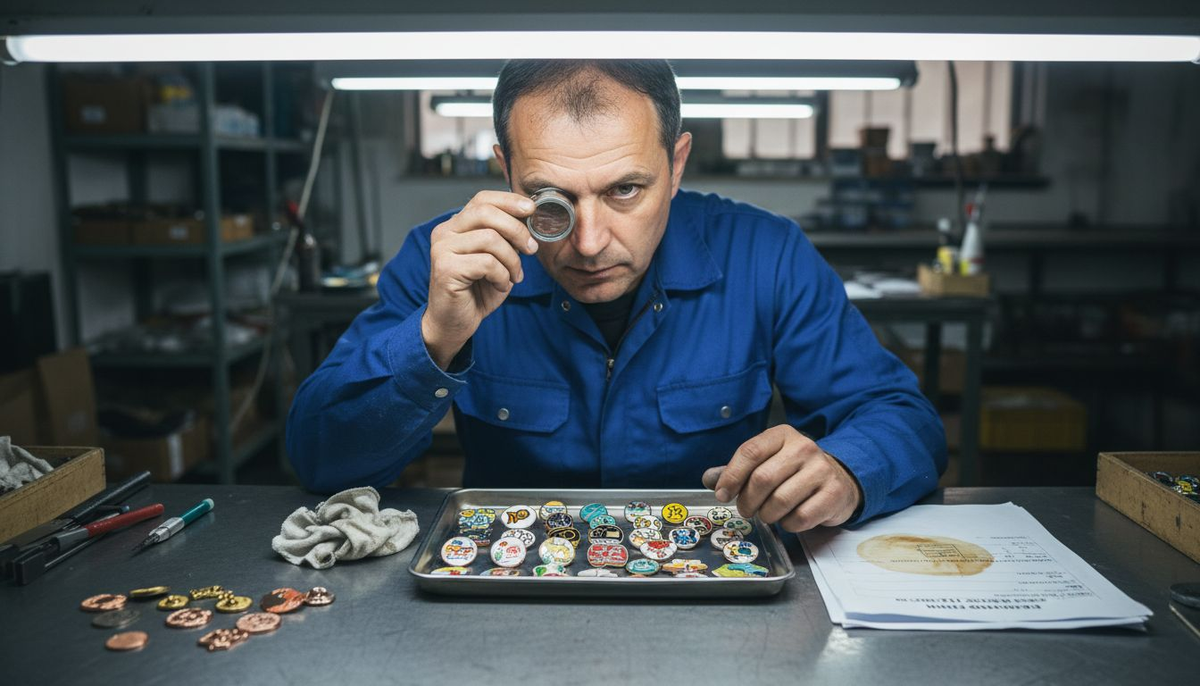
סיכות אמייל רך כוללות משטח בעל טקסטורה שבו האמייל שקוע מתחת לקווי מתכת מוגבהים. זה יוצר מראה מישושי ותלת מימדי בעלות ייצור נמוכה יותר, מה שהופך אותן לאידיאליות לאירועים תרבותיים מוגבלים בתקציב ולהפצה המונית. הטקסטורה מוסיפה עניין ויזואלי אך מציעה פחות עמידות מאמייל קשה.
סיכות אמייל קשה עוברות ליטוש נוסף ליצירת משטח חלק ושטוח צמוד לקווי המתכת. התוצאה היא גימור פרימיום דמוי תכשיט שעמיד במיוחד בפני בלאי. סוג אמייל זה מתאים למתנות ארגוניות, סיכות אספנות ומיתוג יוקרתי שבו איכות נתפסת היא החשובה ביותר.
אפשרויות החומרים כוללות נחושת, פליז וסגסוגת אבץ, כאשר כל אחד משפיע על המשקל, העלות ותאימות הציפוי. פליז מציע את האיזון הטוב ביותר בין עמידות ובמחיר סביר עבור רוב היישומים. בחרו גימורי ציפוי כגון זהב, כסף, זהב ורדרד או ניקל שחור כדי להשלים את צבעי העיצוב שלכם ולחזק את אסתטיקת המותג.
| סוג סיכה | גימור | עמידות | שימוש מיטבי | עלות יחסית |
|---|---|---|---|---|
| אמייל רך | אמייל בעל טקסטורה, שקוע | בינוני | אירועים מוגבלים בתקציב, הפצה המונית | נמוכה |
| אמייל קשה | משטח חלק, מלוטש | גבוהה | מתנות ארגוניות, פריטי אספנות | גבוהה יותר |
| חריטה יצוקה | ללא אמייל, מתכת בלבד | גבוהה מאוד | עיצובים מינימליסטיים מובחרים | בינונית |
שלב 4: תהליך ייצור ולוחות זמנים
הבנת ציר הזמן המלא של הייצור עוזרת לכם לתכנן הזמנות באופן אסטרטגי ולמנוע בהלת הרגע האחרון לפני האירוע שלכם. התהליך כולל מספר שלבי בדיקה שבהם תשומת הלב שלכם לפרטים משפיעה ישירות על האיכות הסופית.
הגישו את העיצוב הדיגיטלי שלכם ליצרן וצפו להוכחה דיגיטלית תוך 2 עד 5 ימי עסקים. הוכחה זו מראה בדיוק כיצד העיצוב שלכם יתורגם לאמייל, כולל התאמת צבעים ומיקום קווי מתכת. בדקו את ההוכחה הזו בקפדנות כדי לאשר שצבעים, פרטים וגודל תואמים את הציפיות שלכם.
בקשו תיקונים באופן מיידי אם משהו נראה שגוי. רוב היצרנים כוללים סבב אחד או שניים של תיקונים במחיר הבסיס שלהם. הייצור נמשך בדרך כלל 3 עד 5 שבועות לאחר אישור ההוכחה, אם כי הזמנות בכמויות גדולות העולות על 1,000 יחידות עשויות לדרוש זמן נוסף.
בצעו את שלבי הייצור הבאים:
- הגישו קבצי עיצוב וקטוריים ליצרן
- בדקו ואשרו או בקשו שינויים בהוכחה הדיגיטלית
- אשרו פרטי הזמנה כולל כמות, גיבוי ואריזה
- המתנה של 3 עד 5 שבועות לסיום הייצור
- בדקו דוגמאות עם קבלתן לפני ההפצה
טיפ מקצועי: הזמינו לפחות 6 שבועות לפני תאריך האירוע שלכם כדי להתאים עיכובים בלתי צפויים בייצור או בעיות משלוח. הזמנות בינלאומיות עלולות להתמודד עם עיכובים במכס שמוסיפים שבוע נוסף ללוחות זמני האספקה.
תכננו את תהליך האישור שלכם כך שתגיבו תוך 24 עד 48 שעות כאשר יצרנים שולחים הוכחות. תגובות מאוחרות דוחות את תאריכי תחילת הייצור, מקצרות את ציר הזמן שלכם ומגבירות את הסיכון לפספס את מועד האירוע שלכם.
שלב 5: אריזה, מיתוג והצגה
אריזת הסיכה מרחיבה את סיפור המותג שלכם מעבר לסיכה עצמה, והופכת אביזר פשוט לחווית מותג בלתי נשכחת. אריזה מתחשבת מעבירה איכות ומקצועיות תוך הגנה על הסיכות שלכם במהלך ההפצה והאחסון.
צרו כרטיסי גב המשלבים את הסיפור התרבותי שלכם, מסר המותג או פרטי האירוע כדי להעמיק את הקשר עם הנמענים. כרטיסים אלו מספקים הקשר שעוזר לאנשים להבין את הסמליות המוטבעת בעיצוב הסיכה שלכם. כללו את הלוגו שלכם, אתר אינטרנט וידיות מדיה חברתית כדי לעודד מעורבות מתמשכת.
בחרו חומרי אריזה המאזנים הגנה עם משיכה ויזואלית. שקיות פולי בודדות מונעות שריטות במהלך המשלוח, בעוד כרטיסים מודפסים בהתאמה אישית מעלים באופן משמעותי את הערך הנתפס. שקלו למספר סיכות או להוסיף גבים מותאמים אישית למהדורות מוגבלות או אירועים מיוחדים כדי להגביר את יכולת האיסוף והייחודיות.
אריזה מותאמת אישית יכולה להגביר את שימור הנמענים בעד 20%, מה שהופך אנשים לרוב יותר לשמור ולהציג את הסיכות שלכם במקום להשליך אותן. נראות מורחבת זו מחזקת את זיכרון המותג זמן רב לאחר סיום האירוע שלכם. אריזה מעוצבת היטב גם מעודדת שיתוף במדיה חברתית, ומגבירה את טווח ההגעה שלכם באופן אורגני.
אפשרויות אריזה כוללות:
- שקיות פולי בודדות להגנה בסיסית
- כרטיסי גב מודפסים בהתאמה אישית עם סיפור מותג
- תעודות ממוספרות למהדורות מוגבלות
- קופסאות מתנה למצגות ארגוניות יוקרתיות
- כרטיסי סיכה מותאמים אישית הכוללים פרטי אירוע והסבר סמליות
שלב 6: פתרון בעיות נפוצות בעיצוב וייצור
גם מעצבים מנוסים נתקלים באתגרים בעת תרגום קונספטים דיגיטליים לסיכות אמייל פיזיות. זיהוי מלכודות נפוצות לפני שהן מתרחשות חוסך לכם עבודות חוזרות יקרות ושיבושים בלוחות הזמנים.
הימנעו מהגשת עיצובים עם פרטים עדינים במיוחד, טקסט מורכב קטן יותר מגופן של 6 נקודות, או מילויים של גרדיאנטים. אלמנטים אלו פשוט אינם משתחזרים באופן אמין בייצור אמייל וכופים תיקונים המעכבים את הפרויקט שלכם. פשטו יצירות אמנות מורכבות על ידי הפחתת צפיפות הפרטים והגברת הניגודיות בין אלמנטי העיצוב.
השתמשו במספר עמודי סיכה עבור עיצובים גדולים יותר בגודל של 1.5 אינץ' ומעלה. עמודים בודדים מאפשרים לסיכות להסתובב בחופשיות על הבגד, ויוצרים מראה לא מקצועי ומגבירים את הסבירות לאיבוד. שניים או שלושה עמודים הממוקמים אסטרטגית שומרים על יציבות הסיכות ומכוונים נכון לאורך כל הענידה.
בדקו ואשרו היטב הוכחות דיגיטליות לפני תחילת הייצור כדי לתפוס שגיאות בזמן שהשינויים עדיין זולים. ברגע שהייצור מתחיל, שינויים הופכים ליקרים או בלתי אפשריים. בדקו את דיוק הצבע, איות הטקסט, הפרופורציות ומיקום קווי המתכת בזהירות יתרה במהלך שלב ההוכחה.
טעויות נפוצות שכדאי להימנע מהן:
- הגשת קבצי רסטר במקום וקטורים
- שימוש בגרדיאנטים או הצללה פוטוריאליסטית
- עיצוב טקסט קטן יותר מגופן של 6 נקודות
- ציון עמודי סיכה לא מספקים לגודל
- אישור מהיר של הוכחה ללא בדיקה מדוקדקת
טיפ מקצועי: בקשו דוגמה פיזית או אב טיפוס לפני התחייבות להרצת ייצור גדולה העולה על 500 יחידות. הוכחות דיגיטליות מציגות עיצוב באופן מדויק אך אינן יכולות לשחזר את החוויה המישושית ואת מראה הצבע האמיתי של סיכות גמורות. דוגמה פיזית עולה יותר מראש אך מונעת טעויות יקרות בקנה מידה גדול.
הגיבו במהירות לשאלות היצרן או לבקשות לתיקוני עיצוב. עיכובי תקשורת מצטברים לאורך ציר הזמן של הייצור, ועלולים לגרום לכם להחמיץ לחלוטין את תאריך האירוע שלכם.
תוצאות צפויות: איכות, מעורבות והשפעה תרבותית
הצבת ציפיות ריאליות לסיכות המוגמרות שלכם עוזרת לכם לתכנן ביעילות ולמדוד הצלחה במדויק. סיכות תרבותיות איכותיות מביאות יתרונות מדידים שחורגים הרבה מעבר לרגע ההפצה הראשוני.
סיכות רלוונטיות תרבותית מגבירות את זיכרון האירוע ב-35% בקרב קהלים ישראליים בהשוואה לפריטי קידום מכירות גנריים. זיכרון מוגבר זה מתורגם לזיהוי מותג חזק יותר וקשרים רגשיים עמוקים יותר עם הארגון שלכם. סיכות עם אריזה מותאמת אישית משיגות שיעורי שימור גבוהים יותר ב-20%, כלומר יותר נמענים שומרים ומציגים את הסיכות שלכם לטווח ארוך.
לוחות זמני הייצור נעים בדרך כלל בין 3 ל-5 שבועות לאחר אישור ההוכחה, לכן שלבו את מסגרת הזמן הזו בתכנון האירועים שלכם מההתחלה. זירוז ייצור לעיתים רחוקות משפר איכות ולעיתים קרובות מגביר עלויות באמצעות דמי זירוז. עלות לסיכה נעה בין 1.20$ ל-3.00$ בהתאם לגודל, מספר הצבעים, סוג האמייל ונפח ההזמנה, כאשר הזמנות בכמויות גדולות מציעות חיסכון משמעותי ליחידה.
הסיכות הסופיות שלכם צריכות לאזן עמידות, בהירות תרבותית ואפקטיביות בסיפור המותג. סיכות מבוצעות היטב הופכות למזכרות יקרות ערך שהנמענים עונדים בגאווה, ומרחיבות את טווח ההגעה של המותג שלכם באופן אורגני באמצעות נראות חברתית ושיחה.
| מדד תוצאה | תוצאה צפויה | גורמים משפיעים |
|---|---|---|
| הגדלת זיכרון אירוע | שיפור של 35% | רלוונטיות תרבותית, בהירות עיצובית |
| שימור נמענים | 20% יותר עם אריזה | איכות אריזה, עומק הסיפור |
| לוח זמני ייצור | 3 עד 5 שבועות | מורכבות הזמנה, יכולת יצרן |
| עלות לסיכה | 1.20$ עד 3.00$ | גודל, צבעים, סוג אמייל, כמות |
| חיסכון בהזמנה בכמות גדולה | הפחתה של 30% עד 50% | נפח הזמנה, תמחור יצרן |
מוכנים להגשים את חזון הסיכות התרבותיות שלכם?
יצירת סיכות אמייל בעלות תהודה תרבותית דורשת מומחיות הן בעקרונות עיצוב והן במציאות ייצור. PinPerfect מתמחה בסיוע לעסקים ישראליים להפוך קונספטים תרבותיים לסיכות קידום מכירות איכותיות שקהלים מתחברים אליהן באמת וזוכרים אותן.
הצוות שלנו מלווה אתכם בכל שלב, מהרעיון הראשוני ועד לאספקה הסופית, ומבטיח שהסיכות שלכם ייצגו נאמנה את המותג שלכם תוך עמידה בדרישות הייצור הטכניות. אנו מבינים סמלים תרבותיים ישראליים ויכולים לעזור לכם לבחור תמונות שידברו בעוצמה לקהל המקומי. נצלו את ההזמנות הגדולות שלנו לסיכות אמייל כדי למקסם את ההשפעה תוך הפחתת עלויות ליחידה עבור האירוע או הקמפיין הבא שלכם. שירותי העיצוב המותאמים אישית שלנו מטפלים במורכבות הטכנית, ומתרגמים את החזון שלכם ליצירת אמנות ניתנת לייצור שמונעת כשלים נפוצים. בין אם אתם זקוקים לסיכות לאירועי חברה או לחגיגות תרבות, אנו מספקים מוצרים איכותיים המחזקים את סיפור המותג שלכם ומניעים מעורבות מדידה.
שאלות נפוצות
באילו פורמטים של קבצים עלי להגיש את העיצוב שלי לסיכת אמייל?
הגישו קבצים וקטוריים בפורמטים .AI, .EPS, או .PDF לקבלת התוצאות הטובות ביותר. קבצים וקטוריים שומרים על קווים חדים וקצוות נקיים בכל גודל, דבר החיוני לייצור מדויק. הימנעו מפורמטים רסטריים כמו JPEG או PNG, אשר חסרים את הרזולוציה הדרושה לייצור איכותי.
כמה זמן לוקח לייצר סיכות אמייל בהתאמה אישית?
הייצור הטיפוסי נמשך 3 עד 5 שבועות לאחר אישור ההוכחה הדיגיטלית. ציר זמן זה כולל ייצור, בדיקת איכות והכנת משלוח ראשונית. הזמינו לפחות 6 שבועות לפני האירוע שלכם כדי להתאים עיכובים פוטנציאליים או תיקוני עיצוב נחוצים.
איזה סוג סיכת אמייל הוא הטוב ביותר לקידום אירועי תרבות?
סיכות אמייל רכות מתאימות לאירועי תרבות עם תקציב מוגבל הדורשים הפצה המונית בשל עלותן הנמוכה יותר ומראהן המרקם המושך. סיכות אמייל קשות מתאימות לאירועי חברה יוקרתיים שבהם העמידות והמצגת המלוטשת מצדיקות את ההשקעה הגבוהה יותר. בחרו על סמך ציפיות הקהל ומגבלות התקציב שלכם.
האם אריזה מותאמת אישית יכולה באמת לשפר את שמירת הסיכה?
כן, אריזה מותאמת אישית מגדילה את שמירת הסיכה בקרב המקבלים בעד 20% בהשוואה לאריזה גנרית. כרטיסי גיבוי המסבירים סמליות תרבותית וסיפור מותג עוזרים למקבלים להעריך את משמעות הסיכה, מה שהופך אותם לסבירים יותר לשמור ולהציג אותה. אריזה איכותית גם מעלה משמעותית את הערך הנתפס.
כמה עמודים עלי לבקש עבור סיכת אמייל גדולה?
סיכות בגודל 1.5 אינץ' או יותר צריכות לכלול 2 עד 3 עמודים למניעת סיבוב והבטחת יציבות על הבגדים. עמודים בודדים מאפשרים לסיכות להסתובב בחופשיות, מה שיוצר מראה לא מקצועי ומגביר את הסיכון לאובדן. עמודים מרובים שומרים על הסיכה שלכם מכוונת ומאובטחת כראוי לאורך כל השימוש.
מומלץ
- טיפים ליצירת סיכות קידום מכירות: הגברת זיכרון ב-35% בישראל – PinPerfect
- מגמות סיכות אמייל 2026: עלייה של 35% במעורבות באירועים ישראלים – PinPerfect
- תפקידן של סיכות באירועים: עלייה של 50% במעורבות ובזכירה – PinPerfect
- סיכת דגל ארה"ב-ישראל – PinPerfect
- תפקידה של הקהילה בשווקי הגות': 63% יותר השפעה מקומית – GothMarket
- איך ליצור קשרים באירועים: בניית קשרים אפקטיבית - DressMeUpNY