

מהו פין בחיתוך מטבע? יתרונות ושימושים מוסברים
לא כל סיכות הקאסטום נוצרות באופן שווה, וארגונים שהזמינו סיכות קידום מכירות זולות רק כדי לראות אותן דוהות או מרגישות רעועות, יודעים זאת ממקור ראשון. סיכות בגימור מטבעי (Die struck) שייכות לקטגוריה אחרת לחלוטין, המוגדרת על ידי עבודת מתכת מוצקה, פרטים חדים ואלגנטיות נצחית שגורמת למקבלים לרצות לשמור אותן. בין אם אתם מתכננים תוכנית הכרה, אירוע עסקי או חגיגה תרבותית עם מוטיבים ישראליים, הבנת אומנות הגימור המטבעי משנה את הדרך שבה אתם חושבים על אביזרים ממותגים. מדריך זה מפרט בדיוק מהן סיכות בגימור מטבעי, איך הן מיוצרות, איך הן משתוות לסוגי סיכות אחרים ומתי הן הבחירה החכמה ביותר עבור הארגון שלכם.
תוכן עניינים
- הגדרת סיכות בגימור מטבעי: מה מייחד אותן?
- איך מיוצרות סיכות בגימור מטבעי: תהליך צעד אחר צעד
- סיכות בגימור מטבעי לעומת סוגי סיכות אחרים: השוואה ויזואלית
- מתי לבחור סיכות בגימור מטבעי עבור הארגון שלכם
- מדוע אומנות חשובה יותר מתמיד בבחירת סיכות
- בחרו ב-PinPerfect עבור סיכות פרימיום בגימור מטבעי וסיכות קאסטום
- שאלות נפוצות
נקודות מפתח
| נקודה | פרטים |
|---|---|
| מה משמעות "גימור מטבעי" | סיכות בגימור מטבעי מיוצרות על ידי הטבעת תבנית מותאמת אישית לתוך מתכת, ויוצרות אפקטים בולטים ושקועים לפרטים חדים. |
| יתרונות עיקריים | סיכות אלו מציעות מראה קלאסי ויוקרתי ועמידות גבוהה, מה שהופך אותן למושלמות למיתוג והכרה. |
| מקרי שימוש מובילים | סיכות בגימור מטבעי מצטיינות כמתנות ארגוניות, אותות הכרה לחברים וסמלים משמעותיים לגאווה תרבותית או לאומית. |
| בחירה נבונה | ארגונים המחפשים איכות ועמידות לאורך זמן צריכים לשקול סיכות בגימור מטבעי על פני סוגים אחרים לקבלת השפעה בולטת. |
הגדרת סיכות בגימור מטבעי: מה מייחד אותן?
ברמה הבסיסית ביותר, סיכה בגימור מטבעי היא סיכת מתכת המעוצבת ומפורטת בתהליך הטבעה באמצעות תבנית מותאמת אישית. התוצאה היא סיכה בעלת משטחים בולטים ושקועים המעניקים לה איכות פיסולית ותלת מימדית שלא ניתן לשחזר באמצעות הדפסה או מילוי אמייל שטוח. כפי שמוסבר בתהליך ייצור הסיכות, סיכות בגימור מטבעי מיוצרות על ידי הטבעת מתכת באמצעות תבנית, המייצרת אזורים בולטים ושקועים לפרטים חדים.
המאפיינים הפיזיים המגדירים סיכות בגימור מטבעי כוללים:
- משטחים בולטים שתופסים אור ויוצרים עומק ויזואלי
- אזורים שקועים שמוסיפים צל וניגודיות ללא מילוי צבע
- אין צבע אמייל כברירת מחדל, אם כי ניתן להוסיף אמייל רך או קשה כאופציה
- תחושה מוצקה וכבדה המעבירה איכות באופן מיידי
- קצוות חדים ומדויקים המשקפים יצירת תבנית מיומנת
המתכות הנפוצות ביותר המשמשות לסיכות בגימור מטבעי הן פליז, ברזל ונחושת. פליז הוא הבחירה היוקרתית, המציע שמירת פרטים מצוינת וגוון חם שקולט ציפויים בצורה יפה. ברזל זול יותר ומתאים היטב להזמנות גדולות. נחושת נמצאת בין השניים מבחינת עלות ואיכות.
| מתכת | רמת פירוט | עמידות | הטוב ביותר עבור |
|---|---|---|---|
| פליז | מצוינת | גבוהה מאוד | מתנות ארגוניות יוקרתיות |
| ברזל | טובה | גבוהה | הזמנות בכמות גדולה |
| נחושת | טובה מאוד | גבוהה | סיכות ממותגות בטווח ביניים |
ארגונים בוחרים בגימור מטבעי מסיבה עיקרית אחת: אלגנטיות. המראה קלאסי, מעודן וסמכותי. הוא מסמן שהארגון המנפיק מעריך איכות, והמסר הזה עובר ישירות למקבל. עבור לוגואים עם קווים עדינים, גבולות מורכבים או עיצובים בהשראת מורשת, שיטת הגימור המטבעי לוכדת כל ניואנס באופן ששיטות אחרות אינן יכולות להתחרות בו. חקרו את פרטי אומנות הסיכה המבדילים סיכה נשכחת מסיכה שהופכת למזכרת.
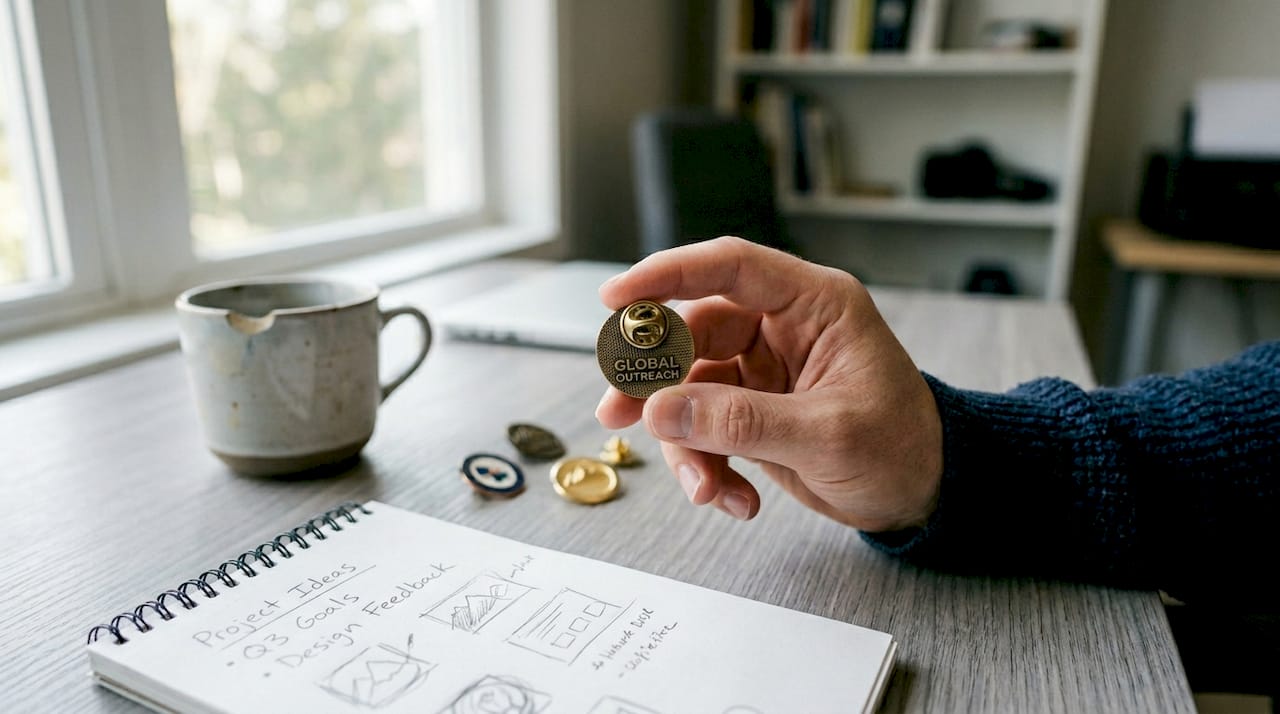
טיפ מקצועי: בחרו בגימור מטבעי כאשר הלוגו או העיצוב שלכם כוללים קווי עבודה מורכבים או תחושה נצחית ומוסדית. התהליך מתגמל מורכבות בתוצאות מרהיבות.
איך מיוצרות סיכות בגימור מטבעי: תהליך צעד אחר צעד
לאחר שהבנו מהן סיכות בגימור מטבעי, בואו נבין איך הן למעשה מיוצרות מהרעיון ועד למוצר המוגמר. שלבי יצירת סיכה מותאמת אישית מאשרים שתהליך יצירת סיכות בגימור מטבעי כולל יצירת תבנית, הטבעה, חיתוך, ליטוש וציפוי אופציונלי, כאשר כל שלב תורם לאיכות הסופית.
- הכנת יצירת אמנות. העיצוב שלכם הופך לקובץ טכני מדויק. כל קו, עקומה ורמת עומק ממופים לפני שנוגעים במתכת כלשהי. שלב זה קובע עד כמה המוצר הסופי יהיה חד.
- יצירת תבנית. יצרן תבניות מיומן מגלף תבנית פלדה המשקפת את העיצוב שלכם בהיפוך. זהו השלב הקריטי ביותר. תבנית עשויה היטב מייצרת אלפי סיכות עקביות ואיכותיות. תבנית ירודה מייצרת חוסר עקביות כבר מההטבעה הראשונה.
- הטבעה. לוחית המתכת (פליז, ברזל או נחושת) מונחת מתחת לתבנית ומוטבעת בכוח משמעותי. המתכת זורמת לשקעים של התבנית, ויוצרת את העיצוב הבולט והשקוע על פני הסיכה.
- חיתוך. עודפי מתכת סביב קצוות הסיכה נחתכים, ומעניקים לסיכה את צורתה הסופית.
- ליטוש. הסיכה מלוטשת במכונה או ביד כדי להסיר קצוות מחוספסים ולהבליט את הברק הטבעי של המתכת.
- ציפוי. גימור מיושם כדי להגן על המתכת ולשפר את המראה. אפשרויות נפוצות כוללות זהב, כסף, זהב עתיק, כסף עתיק, ניקל שחור וזהב ורד. גימורים עתיקים פופולריים במיוחד לעיצובי מורשת ותרבות.
- חומרת חיבור. אבזמי פרפר, אבזמי גומי או גב מגנטי מחוברים להשלמת הסיכה.
שלבי ייצור סיכות ממותגות, החל מיצירת האמנות ועד למוצר המוגמר, מתגמלים ארגונים שמשקיעים זמן מראש. תכנון חפוז מוביל לתבנית בינונית, אשר מובילה לסיכה בינונית.
טיפ מקצועי: השקיעו ביצירת אמנות מפורטת ברזולוציה גבוהה לפני תחילת הייצור. ככל שקובץ העיצוב שלכם חד יותר, כך התבנית שלכם תהיה חדה יותר, והסיכות המוגמרות שלכם יהיו מרשימות יותר.
סיכות בגימור מטבעי לעומת סוגי סיכות אחרים: השוואה ויזואלית
הבנת התהליך היא עוצמתית. כעת, בואו נראה כיצד סיכות בגימור מטבעי משתוות למעשה לסוגי סיכות פופולריים אחרים, כך שתוכלו לקבל את ההחלטה הנכונה לצרכים הספציפיים שלכם.
| סוג סיכה | אפשרויות צבע | טקסטורה | עמידות | מקרה שימוש מיטבי |
|---|---|---|---|---|
| גימור מטבעי | גווני מתכת בלבד (אלא אם כן נוסף אמייל) | בולט/שקוע | מצוינת | מתנות ארגוניות, פרסים, סיכות מורשת |
| אמייל רך | צבע מלא | מתכת בולטת, צבע שקוע | טובה מאוד | קמעונאות, אירועים, מיתוג יומיומי |
| אמייל קשה | צבע מלא | משטח חלק, אחיד | מצוינת | מוצרי מיתוג פרימיום |
| אקריליק | צבע מלא, איכות תמונה | שטוחה | בינונית | מתנות תקציביות, קהל צעיר |
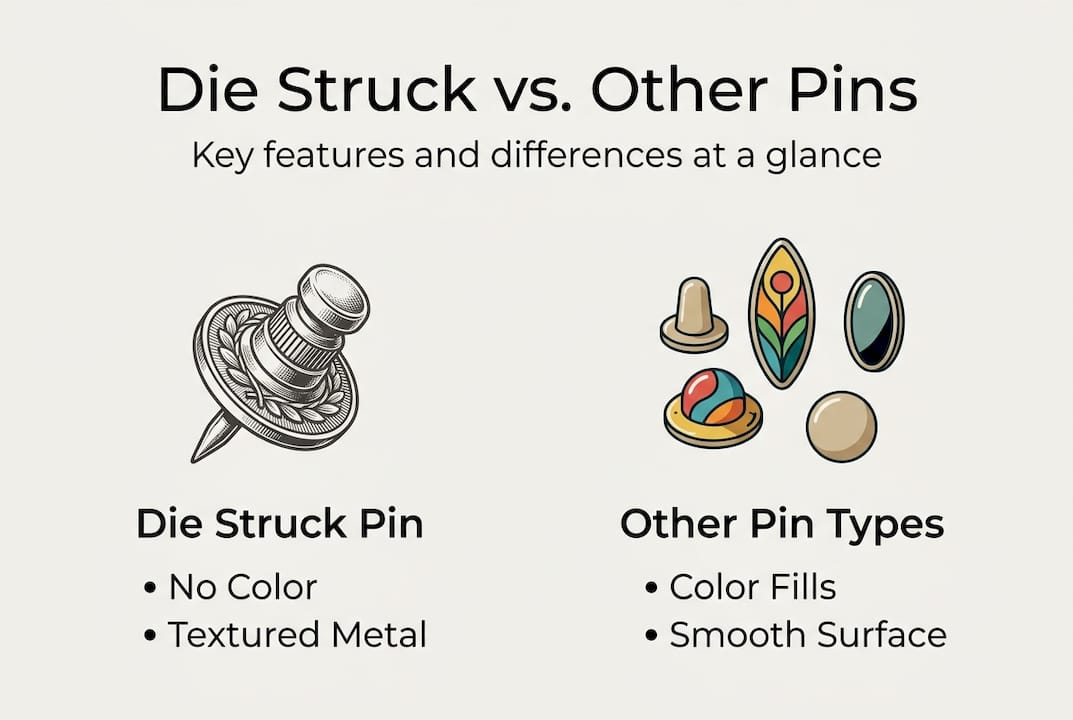
כפי שצוין במדריך השוואת סוגי סיכות, סיכות אמייל ואקריליק מציעות אסתטיקה ונקודות מחיר שונות, אך ייתכן שלא ישתוו לעמידות או למראה הקלאסי של סיכות בגימור מטבעי.
יתרונות של סיכות בגימור מטבעי:
- מראה נצחי ומקצועי
- עמידות גבוהה במיוחד, ללא אמייל שיתקלף או ייסדק
- אידיאלי לפרטים עדינים ועיצובים מורכבים
- מעורר תחושת ערך גבוהה בקרב המקבלים
שיקולים לגבי סיכות אמייל:
- אפשרויות צבעים עזות הופכות אותן למגוונות
- לאמייל רך יש תחושה טקסטורלית; אמייל קשה חלק ומלוטש
- ייצור מורכב מעט יותר מייקר עיצובים מפורטים מאוד
שיקולים לגבי סיכות אקריליק:
- עלות נמוכה ביותר ליחידה, נהדר עבור כמויות גדולות של מתנות
- הדפסה באיכות תמונה מאפשרת הדמיה מורכבת
- תחושה פחות יוקרתית; לא אידיאלי להכרה רשמית או מתנות ארגוניות
ההקשר חשוב מאוד. סיכת הכרה לחבר באגודה מקצועית דורשת גימור מטבעי או אמייל קשה. מתנה מהנה באירוע נוער עשויה להיות מתאימה בצורה מושלמת לסיכת אקריליק צבעונית. מתנות ארגוניות למנהלים? גימור מטבעי, בכל פעם.
מתי לבחור סיכות בגימור מטבעי עבור הארגון שלכם
לאחר שהשווינו את האפשרויות, ארגונים יכולים כעת לבצע בחירות מושכלות. בואו נבחן מתי גימור מטבעי הוא הבחירה האולטימטיבית למטרות שלכם.
סיכות בגימור מטבעי מציעות מראה מקצועי שאין שני לו למתנות ארגוניות ופרסי הכרה, והנתונים מאששים זאת. מחקרים מאשרים עלייה של 50% במעורבות ובזכירה כאשר סיכות משמשות בתבונה באירועים, וסיכות בגימור מטבעי עולות באופן עקבי על חלופות זולות יותר במדד זה.
להלן התרחישים שבהם סיכות בגימור מטבעי מספקות את הערך הגבוה ביותר:
- תוכניות הכרה לעובדים. סיכות ותק, פרסי ציון דרך ותגי מנהיגות נושאים משקל רב יותר כשהם עשויים מתכת מוצקה. המקבלים מרגישים את ההבדל.
- סיכות חברות ושיוך. אגודות מקצועיות, קבוצות בוגרים וארגונים קהילתיים משתמשים בסיכות בגימור מטבעי כדי לסמן שייכות ויוקרה.
- מיתוג אירועים עסקיים. סיכות כנסים, מזכרות מפסגות ומתנות VIP נהנות מהמראה המוגבה של אומנות הגימור המטבעי.
- קמפייני גיוס כספים ועמותות. תורמים שמקבלים סיכה מעוצבת להפליא מרגישים שתרומתם זכתה לכבוד, ולא רק להכרה.
- ייצוג תרבותי ומורשתי. כאן הגימור המטבעי באמת זוהר. הדיוק של התהליך הופך אותו לאידיאלי לסמלים לאומיים, דגלים ומוטיבים משמעותיים מבחינה תרבותית.
עבור ארגונים החוגגים זהות ישראלית, שיטת הגימור המטבעי משמעותית במיוחד. מגן דוד, דגל ישראל או מנורה המוטבעים במתכת בולטת עם גימור זהב עתיק הופכים ליותר מסיכה. הם הופכים לסמל של גאווה וחיבור.
"סיכה בגימור מטבעי אינה רק פריט קידום מכירות. זוהי יצירת אומנות קטנה הנושאת את משקל מה שהארגון שלך מייצג."
כאשר אתם רוצים שהמקבלים ירגישו מכובדים במקום שיקבלו סתם משהו, גימור מטבעי הוא התשובה. משאב הסיכות לאירועים בוחן את ההשפעה הזו לעומק וכדאי לעיין בו לפני הזמנת האירוע הבאה שלכם.
מדוע אומנות חשובה יותר מתמיד בבחירת סיכות
הנה נקודת מבט שרוב מדריכי הסיכות לא יתנו לכם: בעולם רווי בכל מה שדיגיטלי, חפץ פיזי בעל אומנות אמיתית נושא משקל רגשי יחסי. אנו מקיימים אינטראקציה עם מאות מסכים ואלפי הודעות דיגיטליות מדי יום. סיכת מתכת מעוצבת היטב בגימור מטבעי, קרה וכבדה בכף היד, חותכת את כל זה.
סיכות זולות דוהות מהזיכרון תוך ימים. סיכת מתכת בולטת להפליא עם גימור עתיק הופכת למשהו שאנשים שומרים במגירה במשך שנים, או עונדים בגאווה אמיתית. זו לא סנטימנטליות. זו אסטרטגיית מותג.
ארגונים שבוחרים בעקביות בפרטי איכות מסמנים משהו חשוב על ערכיהם. כאשר קבוצה קהילתית ישראלית מעניקה לחבריה סיכת מורשת בגימור מטבעי, הם לא סתם מחלקים סחורה. הם אומרים: הקהילה הזו שווה משהו אמיתי. אומנות ייצור הסיכות היא ההבדל בין פריט זניח לפריט נחשק.
האמת הלא נוחה היא שקיצורי דרך בבחירת סיכות משתקפים במותג שלכם. ארגונים בעלי הבחנה מבינים שכל נקודת מגע חשובה, וסיכה היא נקודת מגע שאנשים ממש עונדים. השקיעו באומנות, וההשקעה הזו מדברת בעד עצמה זמן רב לאחר שהאירוע נגמר.
בחרו ב-PinPerfect עבור סיכות פרימיום בגימור מטבעי וסיכות קאסטום
ב-PinPerfect, אנו מאמינים שכל סיכה צריכה לספר סיפור ששווה לשמור. בין אם אתם בונים תוכנית הכרה, חוגגים מורשת ישראלית, או יוצרים סחורה ממותגת לאירוע הארגוני הבא שלכם, הצוות שלנו מתמחה בהגשמת החזון שלכם בדיוק ובזהירות.
חקרו את סיכת דגל ישראל שלנו כנקודת מוצא לעיצובים תרבותיים ומורשתיים, או עיינו במגוון המלא של סיכות קאסטום מבית PinPerfect כדי למצוא את ההתאמה המושלמת לארגון שלכם. מומחי העיצוב שלנו מוכנים להדריך אתכם מהקונספט ועד למוצר המוגמר, עם משלוח לכל העולם ומחויבות לאיכות הנראית בכל פריט ופריט. הסיכה המשמעותית הבאה שלכם נמצאת במרחק שיחה אחת.
שאלות נפוצות
מה מייחד סיכה בגימור מטבעי מסיכות אמייל?
סיכות בגימור מטבעי מוטבעות ממתכת עם פרטים בולטים ושקועים ובדרך כלל אינן משתמשות במילוי צבע, ויוצרות מראה קלאסי ואלגנטי. בניגוד לסיכות אמייל, המשתמשות במילויים צבעוניים ליצירת עניין ויזואלי, סיכות בגימור מטבעי מציעות טקסטורה ופרטים ייחודיים באמצעות עבודת מתכת בלבד.
האם סיכות בגימור מטבעי מתאימות למיתוג ומתנות ארגוניות?
כן, מראן המעודן ועמידותן הופכים אותן לאידיאליות למיתוג, פרסי הכרה ומתנות בלתי נשכחות באירועים. סיכות בגימור מטבעי הן בחירה מובילה למיתוג אירועים מקצועיים ותוכניות הכרה ארגוניות.
האם סיכות בגימור מטבעי יכולות להציג סמלים לאומיים או תרבותיים, כגון עיצובים ישראליים?
בהחלט; תהליך הגימור המטבעי לוכד פרטים עדינים כמו דגלים או מוטיבים תרבותיים, מה שהופך אותם למושלמים לארגונים בעלי מוטיבים ישראליים. הייצוג המפורט של סמלים הוא אחד החוזקות המגדירות של טכניקות הגימור המטבעי.
האם סיכות בגימור מטבעי עמידות יותר מסוגי סיכות אחרים?
בדרך כלל כן, מכיוון שהן עשויות ממתכת מוצקה ללא מילוי אמייל שביר, מה שהופך אותן לאידיאליות לשימוש לאורך זמן. סיכות בגימור מטבעי נוטות להיות חזקות יותר מחלופות אמייל או אקריליק לאורך זמן.