

מדריך ליצירת סיכות בהתאמה אישית: שלבים פשוטים לתוצאות ייחודיות
הזמנת סיכות בהתאמה אישית נשמעת פשוטה עד שהמפעל שולח לכם הוכחה שלא נראית כלל כמו החזון שלכם. הקווים משתלבים זה בזה, הטקסט הופך לבלתי קריא בגדלים קטנים, ופתאום מועד אחרון של האירוע שלכם נמצא במרחק של שבועיים ללא דגימה מאושרת ביד. תסכולים אלה נפוצים, אך הם ניתנים למניעה לחלוטין. בין אם אתם עסק הבונים הכרה במותג, מתאמי אירועים היוצרים מתנות בלתי נשכחות, או מעצבים פרטיים ההופכים תשוקה למוצר, מדריך זה ילווה אתכם בכל שלבי תהליך ייצור הסיכה בהתאמה אישית, החל מבחירת סוג הסיכה הנכון ועד לאישור סדרת הייצור הסופית שלכם.
תוכן עניינים
- הבנת סוגי סיכות בהתאמה אישית ושימושיהן
- תכנון הסיכה בהתאמה אישית: דרישות והכנה
- מדריך שלב אחר שלב: מרעיון לייצור
- טעויות עיצוב נפוצות ופתרון בעיות
- למה לצפות: עלות, זמן ייצור ומשלוח
- מוכנים להגשים את הסיכה המעוצבת אישית שלכם?
- שאלות נפוצות
נקודות עיקריות
| נקודה | פרטים |
|---|---|
| בחרו את סוג הסיכה הנכון | סוגי סיכות שונים מתאימים לצרכים שונים - הבינו את עלותם, מראהם ועמידותם לפני שתתחילו. |
| תכנון לייצור | פעלו על פי הנחיות עובי הקו, הצבע וגודל הטקסט כדי למנוע טעויות ייצור נפוצות. |
| השתמשו בקבצי וקטור וצבעי פנטון | קבצי וקטור עם קודי צבע מדויקים חיוניים לדיוק המפעל ולתוצאה מקצועית. |
| תכננו עלויות וזמני אספקה | צפו לפחות 2-3 שבועות ייצור לאחר אישור והזמנות מינימליות של 50-100 יחידות. |
| בדקו פרטים לפני אישור סופי | בדקו תמיד הוכחה בגודל אמיתי כדי לזהות בעיות עיצוב או טקסט לפני תחילת הייצור. |
הבנת סוגי סיכות בהתאמה אישית ושימושיהן
כדי להתחיל את פרויקט הסיכה המעוצבת אישית שלכם, עליכם להבין את הסגנונות העיקריים ואת נקודות החוזק שלהם.
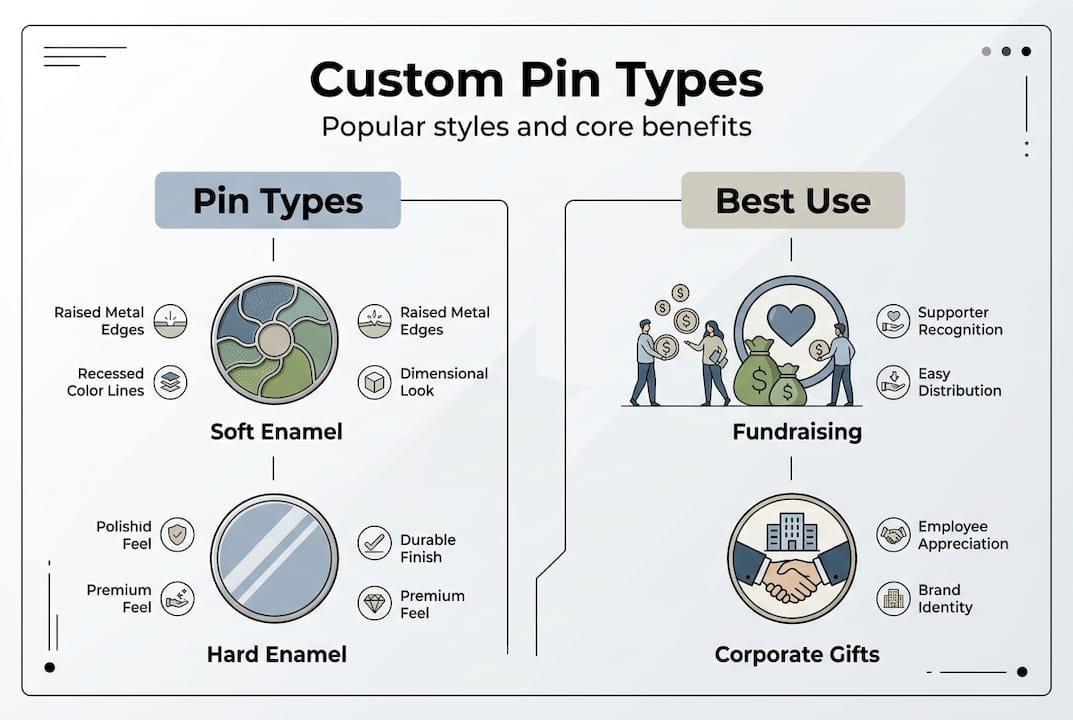
ארבעת סוגי הסיכות הסטנדרטיים בתעשייה משרתים כל אחד מטרה שונה. סיכות אמייל רך כוללות צבעים שקועים ובעלי טקסטורה והם הבחירה הפופולרית ביותר עבור מוצרי קידום מכירות מכיוון שהם מציעים יותר אפשרויות ציפוי בעלות נמוכה יותר. לסיכות אמייל קשה יש משטח חלק דמוי זכוכית שמרגיש יוקרתי ומחזיק מעמד זמן רב יותר, אם כי הם יקרים יותר ומציעים פחות גימורי ציפוי. סיכות הטבעה (Die-struck) מוותרות על האמייל לחלוטין, ונסמכות על תבליט מתכת להשפעה ויזואלית, מה שהופך אותן לאידיאליות עבור פרסים ארגוניים אלגנטיים. סיכות הדפסת אופסט משתמשות בתהליך הדפסה דיגיטלי התומך בהדרגתיות ובפרטי צילום, שאותם סוגים אחרים פשוט אינם יכולים להשיג.
הבנת יתרונות הסיכה המותאמת אישית למטרה הספציפית שלכם עוזרת לכם לבחור בחוכמה. אמייל רך עובד יפה עבור מתנות לאירועים ומתנות תרבותיות. אמייל קשה זוהר עבור סדרות אספנות ומיתוג יוקרתי. הטבעה מתאימה ללוגואים מינימליסטיים. הדפסת אופסט מתאימה ליצירות אמנות מורכבות.
| סוג סיכה | טקסטורה | עמידות | עלות יחסית | שימוש אידיאלי |
|---|---|---|---|---|
| אמייל רך | בעל טקסטורה, שקוע | בינונית | נמוכה | קידום מכירות, אירועים, מתנות תרבותיות |
| אמייל קשה | חלק, שטוח | גבוהה | בינונית-גבוהה | מיתוג, סיכות אספנות |
| הטבעה | תבליט מתכת בלבד | גבוהה מאוד | בינונית | פרסים ארגוניים, סיכות דש |
| הדפסת אופסט | חלקה | בינונית | בינונית | אמנות מורכבת, הדרגתיות |
עבור ארגונים המנהלים סיכות לגיוס תרומות, אמייל רך הוא כמעט תמיד נקודת ההתחלה החכמה. הוא מאזן בין מראה ויזואלי, עלות-תועלת ומהירות ייצור באופן שאמייל קשה פשוט אינו יכול להשתוות אליו בקנה מידה.
תכנון הסיכה בהתאמה אישית: דרישות והכנה
לאחר שבחרתם סגנון סיכה, אספו את כל מה שאתם צריכים לתהליך עיצוב וייצור חלק.
לפני שתשלחו קובץ אחד למפעל, עליכם לקבל מספר החלטות. הלוגו או סקיצת העיצוב שלכם, צבעי המותג המבוטאים כקודי פנטון, גימור מתכת מועדף (זהב, כסף, ניקל שחור), סוג הגב וכמות היעד - כל אלה צריכים להיות מאושרים מראש. דילוג על כל אחד מהם יוצר עיכובים של חילופי דברים הלוך ושוב שדוחים את ציר הזמן שלכם בימים או אפילו שבועות.
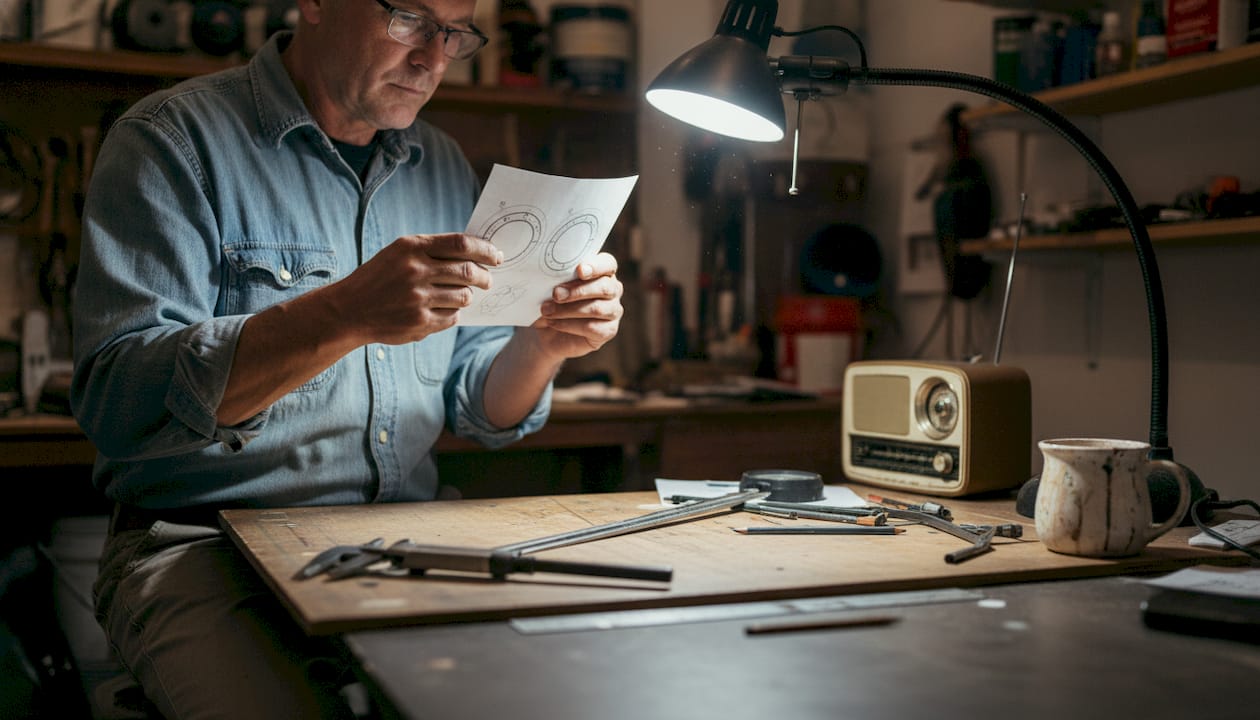
כללי העיצוב אינם ניתנים למשא ומתן בייצור סיכות. דרישות עיצוב עיקריות כוללות עובי קו מתכת מינימלי של 0.2 עד 0.3 מ"מ להפרדת צבעים ומניעת דימום, שטח מילוי אמייל מינימלי ברוחב 0.3 מ"מ, וטקסט בגודל של לא פחות מ-5 עד 6 נקודות. היצמדו למקסימום של 4 עד 6 צבעי בסיס, מכיוון שכל צבע נוסף מוסיף עלות. קבצי וקטור בפורמט AI או EPS עם קודי פנטון הם הסטנדרט הנדרש.
| אלמנט עיצובי | דרישה מינימלית |
|---|---|
| עובי קו מתכת | 0.2 עד 0.3 מ"מ |
| שטח מילוי אמייל | 0.3 מ"מ רוחב |
| גודל טקסט | מינימום 5 עד 6 נקודות |
| מספר צבעים | מקסימום 4 עד 6 צבעי בסיס |
| פורמט קובץ | וקטור (AI או EPS) |
| גודל סיכה אופטימלי | 1 עד 2 אינץ' |
להלן רשימת בדיקה ממוספרת שעליכם למלא לפני יצירת קשר עם מפעל כלשהו:
- סיימו את הרעיון שלכם וסרטטו את העיצוב בגודל אמיתי.
- המרה של כל היצירה לפורמט וקטור באמצעות Adobe Illustrator או כלי דומה.
- זיהוי כל צבע עם קוד הפנטון המדויק שלו.
- החליטו על גודל הסיכה, ציפוי המתכת וסוג הגב.
- אשרו את הכמות ואת טווח התקציב שלכם.
- בדקו את העיצוב לרגישויות תרבותיות או דתיות אם הוא כולל סמלים.
- השתמשו ב-רשימת הבדיקה לסיכה בהתאמה אישית כדי לוודא ששום דבר לא חסר לפני שאתם פונים לספקים.
טיפ מקצועי: הדפיסו את העיצוב שלכם בגודל הסיכה המיועדת בפועל לפני שליחת הקבצים. מה שנראה חד על צג בגודל 27 אינץ' לעתים קרובות הופך לבלגן מטושטש בגודל 1.5 אינץ'. שלב אחד זה תופס את רוב בעיות הקריאות לפני שהן עולות לכם סבב תיקונים.
אם העיצוב שלכם כולל סמלים תרבותיים או דתיים, הקדישו זמן לחקור רגישויות מקומיות. ב-PinPerfect, אנו עובדים באופן קבוע עם לקוחות על נושאים תרבותיים ישראליים, ושימוש מתחשב בסמלים תמיד מחזק את משמעות המוצר הסופי.
מדריך שלב אחר שלב: מרעיון לייצור
כעת שיש לכם את התוכנית והקבצים שלכם, בואו נעבור על תהליך יצירת הסיכה בפועל.
ציר הזמן של ייצור סיכות עוקב אחר רצף צפוי ברגע שאתם מבינים כל שלב. רוב המפעלים קובעים כמות הזמנה מינימלית (MOQ) של 50 עד 100 יחידות, והייצור מתבצע 2 עד 3 שבועות לאחר אישור העיצוב הסופי, לא כולל זמן משלוח.
פעלו לפי הצעדים הבאים בסדר:
- אימות הרעיון שלכם. אם אתם מתכננים למכור סיכות, חפשו ב-Etsy באמצעות מסנן המכירות כדי לאשר ביקוש אמיתי לפני השקעה בייצור.
- צרו את עיצוב הווקטור שלכם. השתמשו ב-Adobe Illustrator או ב-Canva Pro כדי לבנות קובץ נקי וניתן להרחבה עם צבעי פנטון מסומנים.
- בחרו את סוג הסיכה שלכם. עיינו שוב בטבלת ההשוואה לעיל ואשרו את בחירתכם על בסיס התקציב ויעדי הגימור.
- בקשו הצעות מחיר מהמפעל. שלחו את קובץ הווקטור שלכם, רשימת הפנטון, גודל, כמות והעדפת ציפוי לשניים או שלושה ספקים לפחות.
- בדקו את ההוכחה הדיגיטלית. בדקו היטב כל קו, צבע ואלמנט טקסט לפני האישור.
- אשרו ושלמו את המקדמה. רוב המפעלים דורשים 30 עד 50 אחוז מראש.
- אשרו את הדוגמה הפיזית. בקשו דוגמה טרום-ייצור אם ההזמנה שלכם גדולה או שהעיצוב מורכב.
- אשרו את הייצור ושלמו את היתרה. לאחר אישור הדוגמה, הייצור מתחיל.
- קבלו ובדקו את המשלוח שלכם. בדקו דוגמה מהאצווה אל מול ההוכחה המאושרת שלכם באופן מיידי.
עבור שלבי ייצור סיכות הכוללים עבודת עיצוב שיתופית, שיתוף תמונות עזר לצד קובץ הווקטור שלכם מזרז משמעותית את תהליך הצעת המחיר.
טיפ מקצועי: התחלה עם 100 סיכות נותנת לכם את המחיר הטוב ביותר ליחידה מבלי להתחייב יתר על המידה למלאי. זהו נקודת האיזון הטובה ביותר לבדיקת עיצוב חדש לפני הגדלתו.
אזהרת איכות: הצעות מחיר זולות במיוחד של מפעלים מצביעות לעתים קרובות על קיצורי דרך בעובי המתכת, באיכות הציפוי או במילוי האמייל. מחיר שנראה טוב מדי הוא בדרך כלל סימן לכך שחותכים פינות. בקשו תמיד דוגמה פיזית לפני אישור סדרת ייצור מלאה.
טעויות עיצוב נפוצות ופתרון בעיות
אפילו עם תוכנית ברורה, כמה טעויות נפוצות עלולות לגרום לעיכובים או לשינויים יקרים. הנה איך להימנע מהם.
הטעויות המזיקות ביותר מתרחשות בשלב העיצוב, הרבה לפני שמפעל כלשהו רואה את הקובץ שלכם. זיהוין מוקדם חוסך זמן וכסף.
- קווים דקים מ-0.2 מ"מ ידממו לאזורי אמייל סמוכים או יתמוטטו לחלוטין במהלך ההטבעה. בדקו תמיד את עובי הקווים בקובץ הווקטור שלכם לפני הייצוא.
- יותר מדי צבעים מעלים את העלות במהירות. כל צבע מעבר לשישה מוסיף דמי התקנה. פשטו את פלטת הצבעים שלכם היכן שאפשר.
- קבצי רסטר (JPG או PNG) אינם יכולים לשמש לייצור ללא המרה. מפעלים זקוקים לקבצי וקטור כדי לשמור על דיוק בכל גודל.
- טקסט קטן מ-5 נקודות הופך לבלתי קריא על סיכה מוגמרת. אם העיצוב שלכם כולל סלוגן או תווית קטנה, הגדילו את גודל הגופן או הסירו אותו.
- עיצובים מורכבים או עמוסים מדי מאבדים פרטים בקנה מידה של סיכה. מה שעובד כאיור פוסטר לעיתים רחוקות מתורגם היטב למשטח מתכת בגודל 1.5 אינץ'.
על פי מחקר על טעויות סיכה נפוצות, קווים דקים מתחת ל-0.2 מ"מ גורמים לדימום או קריסה, ועיצובים עם יותר משישה צבעים מגדילים משמעותית את עלויות הייצור. שימוש במתכת שחורה או לבנה לאמנות קו יוצר ניגודיות חזקה המפצה על מגבלות פרטים עדינים.
תזכורת קריטית: לעולם אל תשלחו JPG או PNG כקובץ העיצוב הראשי שלכם. גם אם מפעל מקבל אותו, הפלט יחסר את הדיוק שאמנות וקטורית מבטיחה. ספקו תמיד קבצי AI או EPS.
בעת בדיקת הוכחת המפעל שלכם, בדקו ספציפית את האלמנטים הבאים: שלמות הקו, דיוק הצבעים לעומת קודי הפנטון שלכם, קריאות הטקסט והפרופורציות הכלליות. הוכחה מודפסת בגודל אמיתי, לא תצוגה מקדימה על המסך, היא בדיקת האיכות האמינה ביותר שלכם. מדריך סיכות המיתוג מכסה את בדיקת ההוכחה בפירוט עבור הזמנות ארגוניות.
למה לצפות: עלות, זמן ייצור ומשלוח
לאחר שנשלחו הקבצים שלכם ואושר העיצוב, הנה מה שיקרה אחר כך וכיצד לתקצב ולתכנן את המשלוח.
העלות משתנה בהתאם לסוג הסיכה, מספר הצבעים, בחירת הציפוי וכמות ההזמנה. להלן פירוט ריאלי עבור סיכות אמייל רך וקשה סטנדרטיות:
- אמייל רך ב-100 יחידות: בערך 1.50 עד 2.50 דולר ליחידה
- אמייל רך ב-500 יחידות: בערך 0.80 עד 1.20 דולר ליחידה
- אמייל קשה ב-100 יחידות: בערך 2.50 עד 4.00 דולר ליחידה
- אמייל קשה ב-500 יחידות: בערך 1.20 עד 2.00 דולר ליחידה
- צבעים נוספים מעבר לשישה: הוסיפו 0.10 עד 0.30 דולר ליחידה לכל צבע
- ציפוי מיוחד (זהב ורוד, ניקל שחור): מוסיף 0.15 עד 0.50 דולר ליחידה
שוק סיכות המותאמות אישית הוערך ב-3.2 מיליארד דולר בשנת 2024 וצפוי להגיע ל-5.1 מיליארד דולר עד 2033, מה שמשקף ביקוש חזק וגובר לסיכות מותאמות אישית ברחבי מגזרי הקמעונאות, התאגידים והתרבות.
עבור עסקים המתכננים למכור מחדש, המחירים הקמעונאיים נעים בדרך כלל בין 12 ל-25 דולר לסיכה, מה שמתורגם למרווחים של 400 עד 1,000 אחוזים מעלויות הייצור. ירידות מוגבלות באמצעות אינסטגרם או שופיי עולות באופן עקבי על רישומים זמינים תמיד במונחים של דחיפות וקצב מכירה.
ציפיות ציר הזמן פשוטות: הייצור נמשך 2 עד 3 שבועות לאחר אישור העיצוב הסופי, והמשלוח מוסיף עוד 1 עד 3 שבועות בהתאם למיקומכם. תכננו את זרימת העבודה של סיכתכם המגנטית או הזמנת סיכה סטנדרטית לפחות 6 עד 8 שבועות לפני האירוע או תאריך ההשקה שלכם כדי למנוע לחץ.
משתנים המשפיעים על העלות הסופית שלכם כוללים אריזה (כרטיסי גיבוי בודדים מוסיפים עלות), דמי ייצור מהיר, ומורכבות צורת התבנית שלכם. צורות גיאומטריות פשוטות עולות פחות להטבעה מאשר קווי מתאר מותאמים אישית מורכבים.
מוכנים להגשים את הסיכה המעוצבת אישית שלכם?
לאחר שתדעו מה כרוך בכך, הפכו את הפרויקט שלכם לקל ונוח עם ספק מהימן.
ב-PinPerfect, אנו הופכים את הדרך מהרעיון ועד לסיכה המוגמרת לחלקה ככל האפשר עבור עסקים, מתאמי אירועים ומעצבים פרטיים. הצוות הפנימי שלנו משתף פעולה איתכם בשיפור העיצוב, התאמת צבעי פנטון ובדיקת ההוכחות, כך ששום דבר לא יאבד בתרגום בין החזון שלכם לרצפת המפעל.
בין אם אתם מזמינים 50 סיכות לגיוס תרומות קהילתי או 5,000 לקמפיין ארגוני, אנו מציעים משלוח עולמי ותמיכה ייעודית בכל שלב. מדריך הזמנת הסיכות הגלובלי שלנו מלווה אתכם בכל התהליך, והצוות שלנו מוכן לעזור לכם להתחיל עוד היום. פנו אלינו, שתפו את הרעיון שלכם, ותנו לנו לעזור לכם ליצור משהו משמעותי.
שאלות נפוצות
איזה סוג קובץ הוא הטוב ביותר לעיצוב סיכה בהתאמה אישית?
קבצי וקטור כמו AI או EPS הם הטובים ביותר מכיוון שהם שומרים על עובי הקו ומאפשרים התאמת צבעים מדויקת עם קודי פנטון. פורמטי רסטר כמו JPG או PNG אינם יכולים להבטיח את הדיוק שהמפעלים דורשים.
כמה סיכות אני צריך להזמין לכל הפחות?
רוב המפעלים דורשים מינימום של 50 עד 100 יחידות להזמנות סיכות בהתאמה אישית. התחלה מ-100 יחידות בדרך כלל נותנת לכם את האיזון הטוב ביותר בין עלות יחידה ומלאי קל לניהול.
כמה זמן לוקח לייצר סיכות בהתאמה אישית?
הייצור אורך 2 עד 3 שבועות לאחר אישור העיצוב, בתוספת זמן משלוח למיקומכם. תקצבו 6 עד 8 שבועות סך הכל מהמגע הראשון ועד למשלוח עבור לוח זמנים ללא לחץ.
מה ההבדל העיקרי בין סיכות אמייל רך לאמייל קשה?
לסיכות אמייל רך יש משטח בעל טקסטורה ושקוע עם יותר אפשרויות ציפוי ונקודת מחיר נמוכה יותר, בעוד שלסיכות אמייל קשה יש משטח חלק, עמידות גבוהה, ותחושה ועלות יוקרתיים.
האם אני יכול להשתמש בהדרגתיות בעיצוב הסיכה שלי?
הדרגתיות אינן מומלצות לסיכות אמייל מכיוון שהתהליך דורש צבעי פנטון אחידים. הדפסת אופסט היא היוצא מן הכלל היחיד אם יצירת אמנות הדרגתית חיונית לעיצוב שלכם.