

What is promotional merchandise? Guide to brand impact
TL;DR:
- Strategic use of promotional merchandise builds strong brand recognition and lasting loyalty.
- Well-designed, useful itemsDistributed thoughtfully in relevant moments maximize impact.
- Combining physical merchandise with digital efforts enhances overall brand engagement in 2026.
Promotional merchandise gets dismissed as cheap giveaways far too often. Organizations spend real budget on branded items, then wonder why nobody keeps them. The truth is that most campaigns fail not because physical merchandise doesn’t work, but because the strategy behind it is missing. When you approach branded items with intention, choosing the right design, the right audience, and the right moment, they become one of the most powerful tools in your marketing mix. This guide breaks down what promotional merchandise actually is, why it works, and how your organization can use it to build genuine, lasting brand loyalty.
Table of Contents
- Defining promotional merchandise: More than giveaways
- Key benefits of using promotional merchandise
- How to design effective promotional merchandise
- Maximizing brand impact: Best practices for distribution
- Our take: Why the right merchandise still matters in 2026
- Find your perfect promotional merchandise partner
- Frequently asked questions
Key Takeaways
| Point | Details |
|---|---|
| Strategic branding tool | Promotional merchandise creates direct, memorable connections with audiences. |
| Lasting engagement | Well-designed items are kept and used, increasing brand recall far beyond the event. |
| Cost-effective marketing | Physical branded items often deliver more impact per dollar than digital ads. |
| Practical design tips | Align item choice, design, and distribution for maximum return on your marketing investment. |
Defining promotional merchandise: More than giveaways
Promotional merchandise refers to any branded physical item used to market an organization, celebrate a cause, or strengthen engagement with a specific audience. These are not just freebies handed out at trade shows. They are strategic touchpoints that carry your brand into the daily lives of your customers, employees, and partners.
The category has grown significantly over the decades. Promotional items have evolved from basic giveaways to carefully branded accessories that tell a story and reinforce identity. Today, the best merchandise feels less like advertising and more like a gift worth keeping.
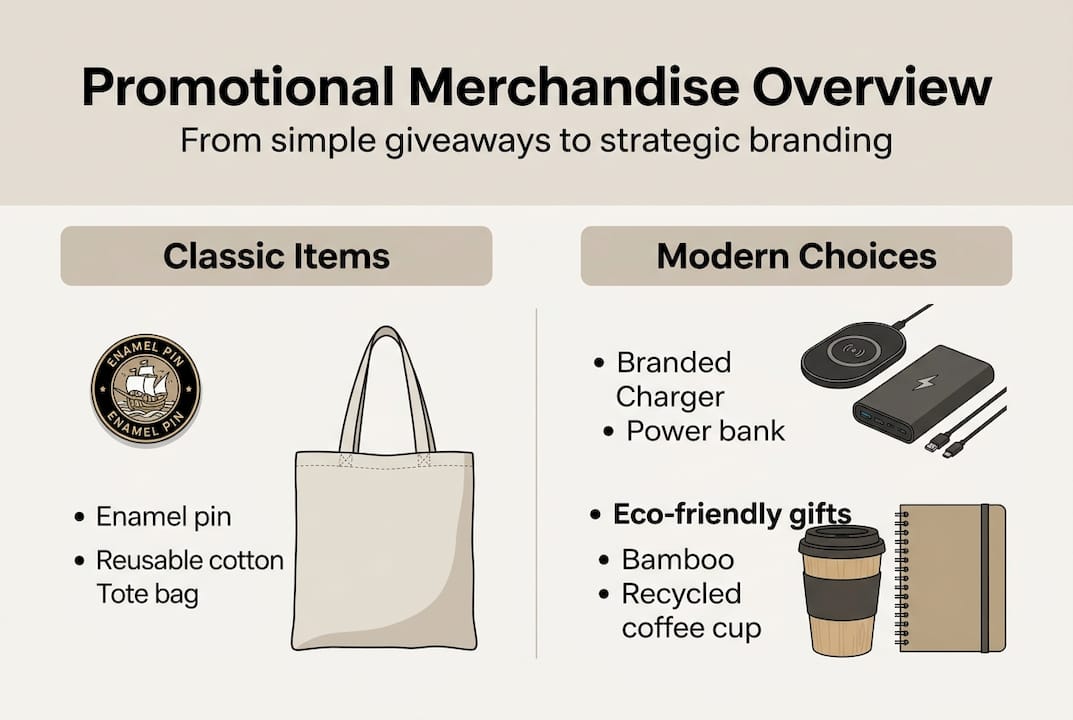
It helps to understand how promotional merchandise differs from traditional advertising. A digital ad disappears the moment someone scrolls past it. A well-designed enamel pin, keychain, or tote bag stays visible for months or even years. That physical presence is something no banner ad can replicate. You can also read about the lasting impact of custom souvenirs to understand just how deeply these items connect with people.
Here are the main categories of promotional merchandise organizations use today:
- Wearables: Pins, patches, hats, and branded apparel
- Desk and office items: Notebooks, pens, mugs, and mousepads
- Tech accessories: USB drives, phone stands, and charging cables
- Event items: Lanyards, badges, and tote bags
- Collectibles and gifts: Enamel pins, magnets, and keychains
| Merchandise type | Example use case |
|---|---|
| Enamel pins | Conference badges, brand advocacy, cultural events |
| Custom keychains | Product launches, loyalty programs, employee gifts |
| Branded tote bags | Trade shows, retail promotions, community events |
| Magnets | Office giveaways, tourism souvenirs, fundraisers |
| Tech accessories | Corporate onboarding kits, client appreciation gifts |
The most effective promotional items share three qualities: they are useful, they are visually compelling, and they carry a clear brand message. When all three align, you stop handing out swag and start creating brand ambassadors.
Key benefits of using promotional merchandise
Now that you know what promotional merchandise is, discover why it’s such a powerful marketing tool for organizations of every size.
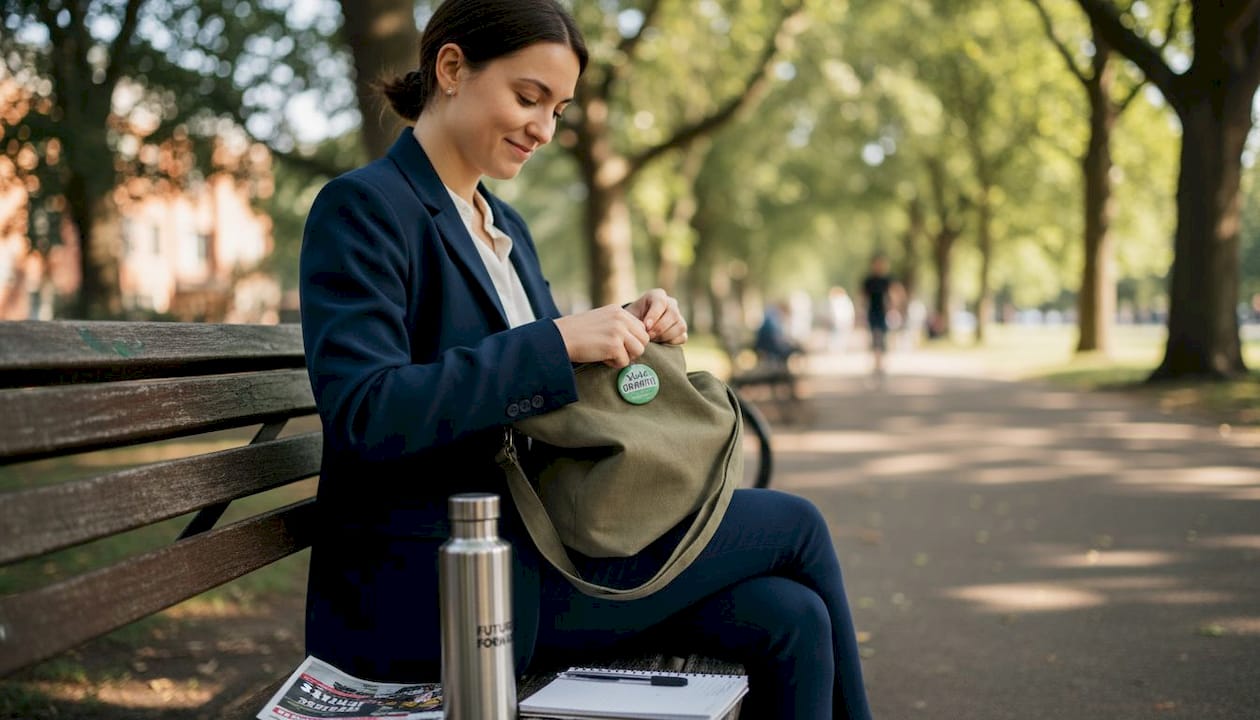
Physical items create a sensory connection that digital content simply cannot. When someone holds a beautifully crafted enamel pin or a sturdy custom keychain, they form a memory tied to your brand. Promotional merchandise increases recall and brand affinity more than digital ads, making it one of the highest-return investments in your marketing budget.
Here is why organizations consistently prioritize branded merchandise:
- Brand recognition: Every time someone uses your item, they see your logo and reinforce their connection to your brand.
- Positive associations: A thoughtful gift signals that you value your audience, which builds goodwill and loyalty.
- Event engagement: Merchandise at events gives attendees something to take home, extending your brand’s reach far beyond the venue.
- Word of mouth: Unique or beautiful items spark conversations. People ask, “Where did you get that?” and your brand gets a personal recommendation.
- Cost efficiency: Compared to paid digital campaigns, well-chosen merchandise delivers impressions over months or years at a fraction of the cost.
The key phrase there is “well-chosen.” Generic merchandise gets tossed. Meaningful merchandise gets used. Boosting recall with pins is a proven strategy precisely because pins are collectible, wearable, and personal. They travel everywhere their owner goes.
For organizations looking to expand their reach globally, the global custom pins impact is well documented across industries from nonprofits to tech companies.
Pro Tip: Before ordering any merchandise, ask yourself: “Would I personally keep and use this item?” If the answer is no, your audience probably won’t either. Prioritize quality and relevance over quantity.
How to design effective promotional merchandise
Understanding the benefits lays the groundwork. Here’s how to design merchandise that genuinely stands out and earns a permanent spot in your audience’s life.
The biggest mistake organizations make is jumping straight to design without setting a clear objective. Every item should have a purpose. Is this for a product launch? Employee recognition? A cultural event? The answer shapes everything from the format to the color palette.
Creative, memorable designs spark engagement and conversation, which is why the design phase deserves as much attention as any other part of your campaign. A stunning piece of keychain design inspiration can turn a simple accessory into a talking point.
Follow these steps to develop a standout merchandise concept:
- Define your goal. Are you building awareness, rewarding loyalty, or celebrating a milestone? Your goal determines the item type and design direction.
- Know your audience. A tech company’s employees have different tastes than a museum’s visitors. Design for the person receiving the item, not just your brand guidelines.
- Anchor the design to your values. Colors, symbols, and materials all communicate meaning. Make sure your merchandise reflects what your organization stands for.
- Prioritize usability. The more often someone uses an item, the more brand impressions it generates. Functional items win over novelty items almost every time.
- Work with experienced creators. The custom magnetic pin workflow is a great example of how a structured design process leads to better outcomes.
- Test before you order in bulk. Get samples, gather feedback, and refine before committing to a large production run.
| Item type | Pros | Cons |
|---|---|---|
| Functional (keychains, bags) | High daily use, long lifespan, broad appeal | Less unique, can feel generic without strong design |
| Novelty (collectible pins, magnets) | Highly memorable, sparks conversation, collectible | Narrower audience, may not suit all campaigns |
For personalized gifts that resonate, the sweet spot is often a functional item with a distinctive, story-driven design. That combination delivers both daily visibility and emotional connection.
Pro Tip: Involve your team or a sample of your target audience in the design review process. Outside perspectives catch details you might miss and ensure the final product lands the way you intend.
Maximizing brand impact: Best practices for distribution
Once your merchandise is designed, the next step is effective distribution. Great items in a warehouse do nothing for your brand. Getting them into the right hands at the right moment is where the real impact happens.
Distribution strategy depends on your audience, your goals, and your channels. There is no single approach that works for every organization, but there are clear principles that separate effective distribution from wasted effort.
Targeted distribution in relevant scenarios dramatically increases engagement. A museum that hands out branded pins at the entrance of a special exhibition sees far better results than one that leaves them in a generic display. Context matters enormously.
“The right item, given at the right moment, to the right person, creates a brand memory that no digital touchpoint can replicate. Distribution is not logistics. It is strategy.”
Here are the key do’s and don’ts of merchandise distribution:
Do:
- Match the item to the occasion. A collectible pin suits a cultural event; a practical keychain suits a product launch.
- Use merchandise to reward specific behaviors, like signing up, attending, or referring a friend.
- Include a personal note or context card that explains the item’s meaning and your brand’s story.
- Distribute at moments of peak engagement, such as the climax of an event or the completion of an onboarding process.
- Leverage online campaigns to ship merchandise directly to customers who engage with your content.
Don’t:
- Hand out items indiscriminately. Scarcity increases perceived value.
- Ignore packaging. How an item arrives shapes the first impression.
- Forget to track results. Monitor social mentions, engagement rates, and feedback after distribution.
- Choose items based solely on cost. Cheap merchandise reflects poorly on your brand.
For organizations looking to boost visitor engagement, strategic merchandise placement at key touchpoints can increase interaction by significant margins. The lesson applies across industries: intentional distribution amplifies every dollar you invest in design and production.
Our take: Why the right merchandise still matters in 2026
At PinPerfect, we hear a version of the same concern regularly. Organizations tell us they are shifting budgets toward digital because it is measurable and scalable. We understand the logic. But here is what the data and our experience consistently show: digital and physical are not competitors. They are partners.
The brands that pull ahead are the ones that use digital to reach people and physical merchandise to keep them. A well-crafted enamel pin sitting on someone’s desk or bag is a daily reminder of your brand that no algorithm can suppress or skip.
Disposable swag gets thrown away. But a beautifully designed, meaningful piece of personalized merchandise stays. It travels. It starts conversations. It builds the kind of word-of-mouth loyalty that paid campaigns can never manufacture.
In 2026, attention is expensive and trust is rare. Thoughtful promotional merchandise is one of the few tools that earns both at once. That is not nostalgia. That is strategy.
Find your perfect promotional merchandise partner
If this guide has shown you anything, it is that promotional merchandise works best when it is intentional, beautifully designed, and matched to the right audience and moment.
At PinPerfect, we specialize in helping organizations transform their brand identity into wearable, collectible, and meaningful accessories. From custom enamel pin inspiration to full-scale corporate merchandise programs, our team supports you from the first concept sketch to worldwide delivery. Whether you need a single standout piece or a wholesale order for your next event, you can create your merchandise with expert guidance every step of the way. Let’s build something your audience will actually keep.
Frequently asked questions
What are the most popular types of promotional merchandise?
Popular types include pins, keychains, tote bags, wearables, and tech accessories. You can explore a full breakdown of core merchandise categories to find the right fit for your organization.
How does promotional merchandise boost brand recognition?
Physical items keep your brand visible in everyday life, which increases recall and drives stronger engagement over time. Promotional items enhance recall far more consistently than most digital formats.
Is promotional merchandise cost-effective for small businesses?
Yes. These items are affordable, scalable, and often more memorable than digital ads for small businesses. Custom keychains for branding are a strong example of high-impact merchandise at accessible price points.
What’s the best way to distribute promotional merchandise?
Distribute at events, through direct mail, or via online campaigns to reach targeted audiences effectively. Distribution strategies for maximizing impact show that context and timing are just as important as the item itself.
Recommended
- What is personalized merchandise and how it benefits brands – PinPerfect
- Why give custom souvenirs: create lasting impact – PinPerfect
- Order custom pins globally to boost branding impact – PinPerfect
- Tips for Creating Promotional Pins: Boost Recall 35% in Israel – PinPerfect
- Why Gift Graphic T-Shirts: Expression Meets Impact – 3 Wizard Clothing