

High quality custom pin manufacturing: complete guide
Businesses often assume all custom pins are created equal, but manufacturing quality can dramatically affect how your brand is perceived. A poorly made pin can tarnish your reputation, while a high-quality piece becomes a cherished keepsake that amplifies your message for years. This guide breaks down the materials, techniques, and considerations that separate exceptional custom pins from mediocre ones, helping you make informed decisions that elevate your promotional efforts and leave lasting impressions.
Table of Contents
- Key takeaways
- Understanding materials and craftsmanship behind high-quality custom pins
- Common manufacturing techniques and their impact on pin quality
- Practical considerations when ordering high-quality custom pins
- Explore high-quality custom enamel pins at PinPerfect
- Frequently asked questions
Key Takeaways
| Point | Details |
|---|---|
| Durable base metals | Choosing brass or iron bases improves pin longevity and supports intricate designs. |
| Multiple plating layers | Multiple plating layers protect the base metal and maintain luster through years of handling. |
| Quality control routine | Reputable manufacturers inspect pins after die cutting enamel application and before packaging to catch defects early. |
| Proactive sampling | Request a physical sample before large runs to reveal subtle quality issues photos can hide. |
| Craftsmanship indicators | Sharp lines, consistent enamel, secure backings, and even plating signal superior workmanship. |
Understanding materials and craftsmanship behind high-quality custom pins
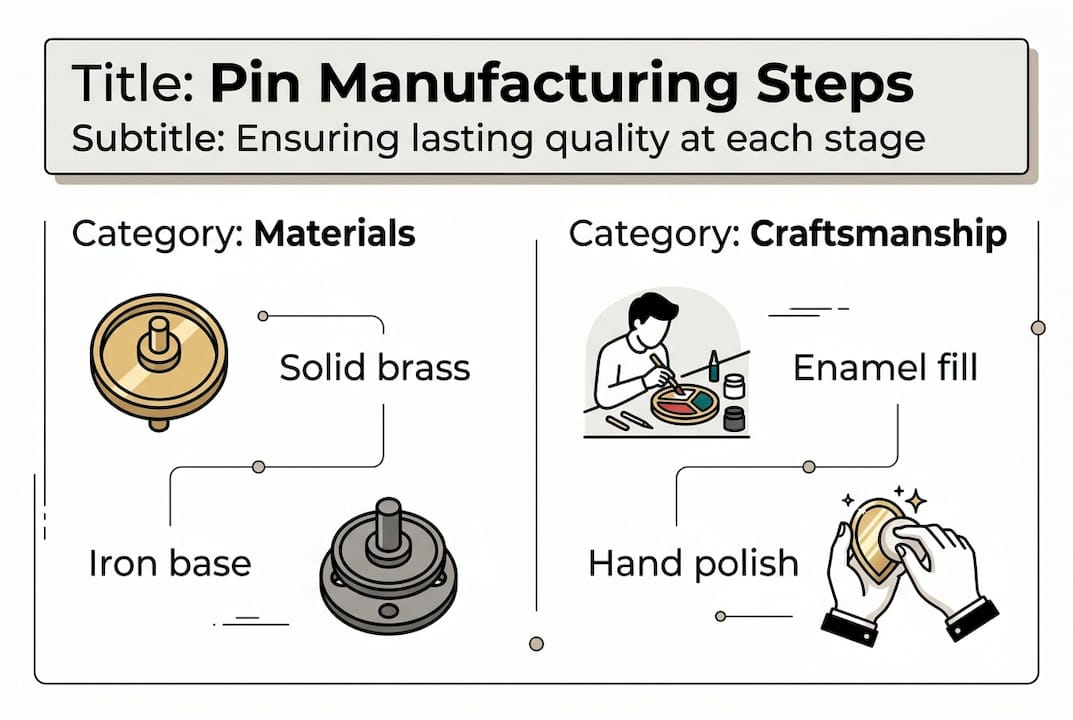
The foundation of any exceptional custom pin starts with the base metal. High-quality manufacturers rely on durable metals like brass or iron that resist bending and wear even after years of use. Brass offers excellent malleability for intricate designs while maintaining structural integrity, making it the preferred choice for detailed artwork. Iron provides a cost-effective alternative that still delivers solid performance for simpler designs.
Metal plating transforms the appearance and longevity of your pins. Gold, silver, black nickel, and antique finishes each create distinct visual effects while protecting the base metal from oxidation and corrosion. The plating thickness matters significantly: thin electroplating may look acceptable initially but wears through quickly, exposing the base metal and creating an unprofessional appearance. Quality manufacturers apply multiple plating layers to ensure your pins maintain their luster through repeated handling and environmental exposure.
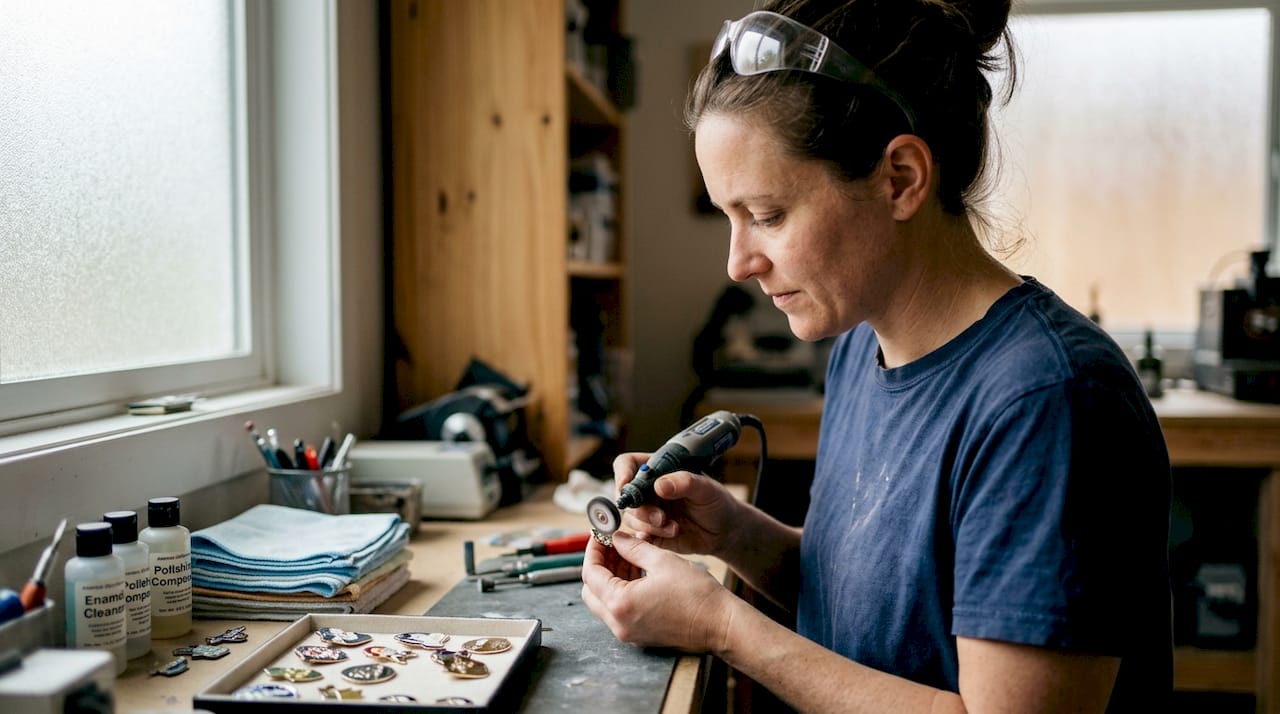
Craftsmanship reveals itself in the details that separate amateur work from professional results. Clean lines without rough edges, precise die stamping that captures every design element, and smooth polishing that eliminates manufacturing marks all indicate skilled production. The die itself must be expertly cut to translate your artwork into metal accurately, preserving fine details and maintaining proportions.
Enamel filling requires steady hands and technical expertise to achieve consistent results. Soft enamel sits below the metal lines, creating a textured surface with dimensional appeal. Hard enamel fills to the same level as the metal borders and undergoes additional polishing for a smooth, glass-like finish. Both styles demand precision to prevent color bleeding, air bubbles, or uneven coverage that compromises the final appearance.
Quality control throughout manufacturing catches defects before they reach customers. Reputable manufacturers inspect pins at multiple stages: after die cutting, following enamel application, and before final packaging. This systematic approach ensures every pin meets design specifications and durability standards, protecting your brand reputation and reducing costly remakes.
Pro Tip: Request a physical sample before committing to large production runs. Photos can hide subtle quality issues that become obvious when you hold the actual pin.
Key indicators of superior craftsmanship include:
- Sharp, well-defined metal lines without bleeding or distortion
- Consistent enamel color saturation across all pins in a batch
- Secure backing attachments that won’t loosen with normal wear
- Smooth edges without sharp burrs that could snag clothing or scratch skin
- Even plating coverage with no thin spots or discoloration
Common manufacturing techniques and their impact on pin quality
Manufacturers employ several distinct production methods, each offering unique advantages for different design goals and budgets. Understanding these manufacturing techniques helps you select the approach that best matches your vision and functional requirements. The method you choose directly affects detail fidelity, texture, production volume capability, cost per unit, and long-term durability.
Soft enamel pins represent the most popular manufacturing technique for custom designs. The process begins with die striking to create recessed areas in the metal, which are then filled with enamel colors. After air drying or baking, the enamel sits below the raised metal lines, creating a textured surface you can feel with your fingertips. This dimensional quality gives soft enamel pins a handcrafted appeal that many customers prefer. The technique works exceptionally well for designs with bold colors and clear separation between elements, though very fine details may prove challenging.
Hard enamel pins undergo additional processing that creates a completely smooth surface. After filling the recessed areas with enamel, manufacturers fire the pins at high temperatures to harden the enamel. The pins are then polished down until the enamel and metal sit flush, creating a sleek, jewelry-like finish. This extra processing makes hard enamel pins more durable and scratch-resistant than soft enamel versions, ideal for pins that will see heavy use or serve as premium merchandise. The polished surface also enhances color vibrancy and creates a more refined appearance.
Die struck pins emphasize the metal itself with minimal or no enamel fill. The design is stamped into the metal surface, creating raised and recessed areas that catch light beautifully. This technique suits classic, elegant designs where the metal finish takes center stage. Military insignia, corporate logos, and commemorative pins often use die striking to achieve a timeless, sophisticated look. The absence of enamel reduces production complexity and cost while creating an heirloom quality that appeals to collectors.
Offset printing allows photographic detail and color gradients impossible with traditional enamel techniques. The design is printed directly onto the metal surface and covered with a protective epoxy dome. This method works perfectly for complex artwork, portraits, or designs requiring more than the standard color palette. However, the printed surface lacks the dimensional quality of enamel pins and may not convey the same premium feel for certain applications.
| Technique | Surface Finish | Detail Level | Durability | Best For |
|---|---|---|---|---|
| Soft Enamel | Textured, recessed colors | Good for bold designs | Moderate | Promotional giveaways, events |
| Hard Enamel | Smooth, polished flat | Excellent for intricate art | Highest | Premium merchandise, retail |
| Die Struck | Metal texture, minimal enamel | Clean lines, classic look | High | Corporate recognition, military |
| Offset Printing | Flat with epoxy dome | Photographic quality | Moderate | Complex images, gradients |
Pro Tip: Match your manufacturing technique to your pin’s intended purpose. Giveaway items can use cost-effective soft enamel, while retail merchandise benefits from the premium feel of hard enamel.
Production volume and timeline vary significantly by technique:
- Soft enamel offers the fastest turnaround and lowest minimum order quantities
- Hard enamel requires additional processing time but delivers superior durability
- Die struck pins streamline production by eliminating enamel filling steps
- Offset printing accommodates complex designs but may require specialized equipment
Your choice should balance aesthetic preferences, functional requirements, budget constraints, and delivery deadlines. Discussing your specific needs with manufacturers helps identify the optimal technique for your project.
Practical considerations when ordering high-quality custom pins
Successful custom pin projects start with thorough planning before you contact manufacturers. Clear design specifications prevent miscommunication and ensure your final pins match your vision. Define the exact size you need, typically measured in inches or millimeters. Pin sizes range from small lapel pins around 0.75 inches to statement pieces exceeding 2 inches, with most promotional pins falling between 1 and 1.5 inches.
Color selection requires precision to achieve brand consistency. Provide Pantone color codes rather than relying on RGB or CMYK values, which can translate differently to physical enamel. If your design includes gradients or photographic elements, discuss whether offset printing might serve your needs better than traditional enamel. Specify the metal finish you prefer: gold, silver, black nickel, antique copper, or other plating options that complement your design and brand identity.
Backing type affects both functionality and cost. Butterfly clutch backs offer the most secure attachment for pins worn on clothing or bags. Rubber backs provide a softer, more forgiving grip that works well for lapel pins. Magnetic backings eliminate the need for pin posts entirely, creating a safer option for children or situations where puncturing fabric is undesirable. Some designs incorporate multiple attachment points for larger pins that need extra stability.
Requesting proofs and samples protects you from costly mistakes. Digital proofs let you review the design layout, colors, and overall composition before production begins. However, digital representations cannot fully capture how enamel colors and metal finishes will appear on physical pins. Investing in a physical sample adds a small upfront cost but prevents discovering quality issues after manufacturing thousands of units. Examine the sample under different lighting conditions and compare it directly against your brand colors.
Bulk ordering reduces per-unit costs significantly, but accurate quantity forecasting matters. Ordering custom pins in appropriate volumes balances cost savings against storage needs and distribution timelines. Manufacturers typically offer price breaks at quantities like 100, 250, 500, and 1,000 pieces. Calculate your needs based on event attendance, employee count, or projected sales to avoid over-ordering or running short.
Pro Tip: Order 10 to 15 percent more pins than your minimum requirement. This buffer accounts for quality control rejects, last-minute attendees, and future replacement needs without requiring a new production run.
Follow these steps for smooth ordering:
- Finalize your design with all colors, text, and elements clearly specified
- Select your preferred size, metal finish, enamel type, and backing style
- Request quotes from multiple manufacturers to compare pricing and timelines
- Review and approve digital proofs, requesting revisions until everything looks perfect
- Order a physical sample to verify quality before committing to full production
- Approve the sample and authorize full production with clear delivery deadlines
- Inspect the final batch upon delivery to ensure quality standards were maintained
Communicate your timeline explicitly with manufacturers. Standard production typically requires four to six weeks from design approval to delivery, though rush services may be available for urgent needs. International shipping adds additional time, so factor in customs clearance and transit when planning for events or product launches. Missing deadlines damages your credibility and wastes the investment if pins arrive after your event concludes.
Avoid these common pitfalls that compromise results:
- Choosing manufacturers based solely on the lowest price without verifying quality samples
- Providing low-resolution artwork that cannot be reproduced clearly in metal and enamel
- Skipping the physical sample stage and discovering quality issues after full production
- Underestimating lead times and creating unnecessary rush fees or missed deadlines
- Failing to specify backing preferences and receiving a style that doesn’t meet your needs
- Neglecting to discuss packaging requirements if pins will be sold as retail merchandise
Quality manufacturers provide clear communication throughout the process, answering questions promptly and offering guidance based on their expertise. They should explain any design elements that may present production challenges and suggest alternatives that maintain your vision while ensuring manufacturability. This collaborative approach produces superior results and builds long-term relationships for future projects.
Explore high-quality custom enamel pins at PinPerfect
Now that you understand what defines superior pin manufacturing, you can appreciate the craftsmanship behind PinPerfect’s curated collection. We specialize in expertly crafted enamel pins perfect for promotional campaigns, corporate events, or meaningful gifts that recipients treasure. Our manufacturing process emphasizes the quality indicators discussed throughout this guide: durable base metals, premium plating, precise enamel application, and rigorous quality control.
Explore our most loved designs to discover what resonates with customers seeking exceptional quality. Each pin reflects the attention to detail and manufacturing excellence that transforms simple accessories into powerful brand ambassadors. For distinctive flair that celebrates cultural themes, check out unique items like our Tubi 60 bottle magnet and Arak bottle magnet, which showcase how creative designs and quality craftsmanship combine to create conversation pieces.
Frequently asked questions
What types of materials are best for durable custom pins?
Base metals like brass and iron provide the structural strength necessary for pins that resist bending and wear through years of use. Quality plating in gold, silver, or black nickel enhances both durability and visual appeal while protecting the base metal from oxidation. Proper craftsmanship during die stamping and enamel application ensures pins maintain their appearance and resist scratching or fading even with frequent handling.
How can I ensure my custom pins match my brand colors accurately?
Request digital proofs and physical samples before authorizing full production to verify color accuracy under real-world conditions. Provide Pantone color codes rather than RGB or CMYK values, as Pantone offers the most reliable translation from digital designs to physical enamel colors. Examine samples in various lighting conditions and compare them directly against your official brand materials to catch any discrepancies before manufacturing thousands of units.
What is the difference between soft enamel and hard enamel pins?
Soft enamel pins feature textured surfaces where the enamel colors sit in recessed areas below the raised metal lines, creating a dimensional feel you can touch. Hard enamel pins undergo additional polishing after the enamel is fired at high temperatures, resulting in a completely smooth surface where the enamel and metal sit flush. Hard enamel offers superior durability and a more refined, jewelry-like appearance, making it ideal for premium merchandise or pins intended for long-term use.
What are common mistakes to avoid when ordering custom pins?
Avoid providing vague design instructions without specifying exact sizes, Pantone colors, metal finishes, and backing types, as ambiguity leads to disappointing results. Always approve both digital proofs and physical samples before full production to catch quality issues, color mismatches, or design problems early when corrections remain inexpensive. Skipping these verification steps risks discovering flaws after manufacturing thousands of pins, creating costly remakes and missed deadlines that damage your brand reputation and event planning.