

What is pin craftsmanship: guide for custom enamel pins
You’ve just received a box of branded enamel pins for your upcoming event. Within weeks, the colors fade, the metal tarnishes, and the backing posts snap off. Poor pin craftsmanship not only wastes your budget but damages your brand reputation. Understanding what separates quality custom enamel pins from cheap imitations empowers you to make smarter ordering decisions and ensures your promotional items leave lasting positive impressions.
Table of Contents
- Introduction To Pin Craftsmanship
- The Enamel Pin Manufacturing Process: Craftsmanship In Action
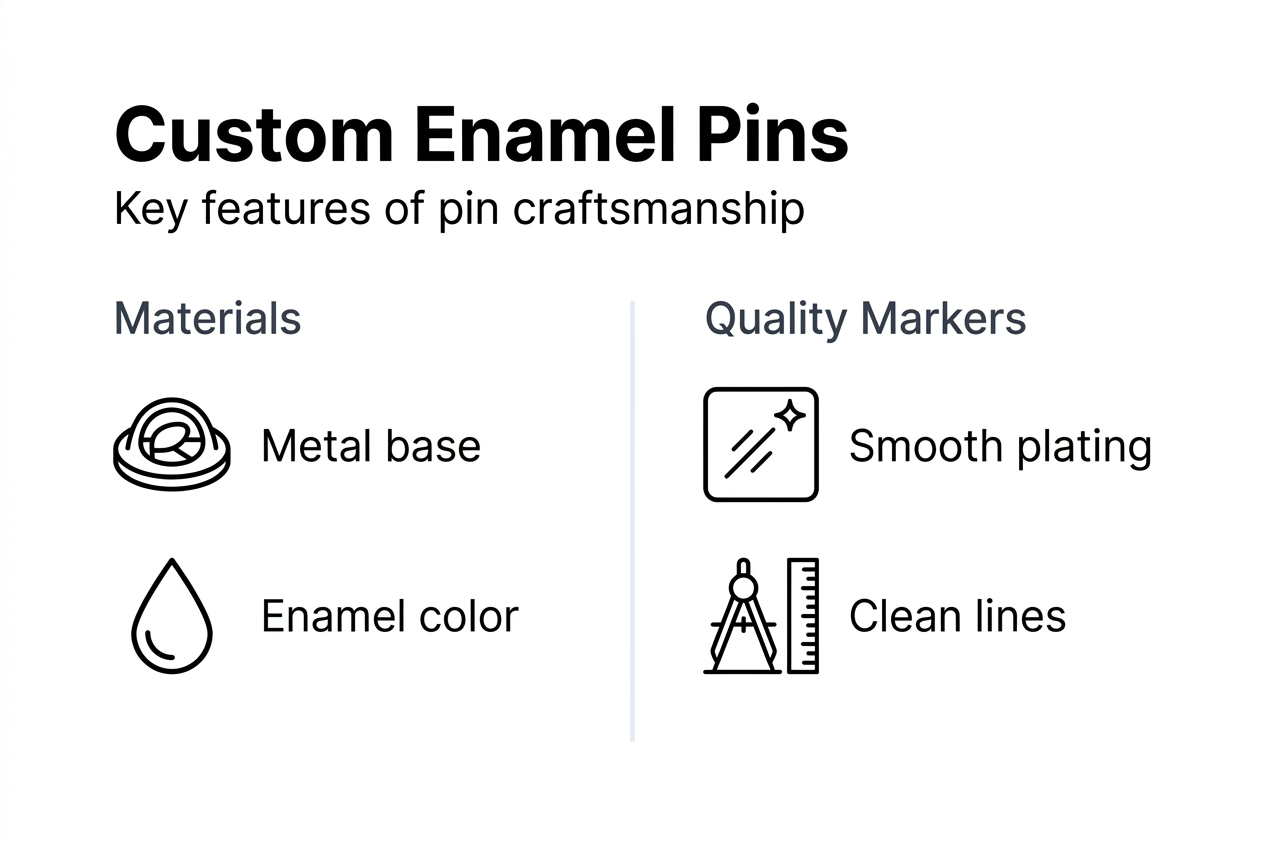
- Materials And Quality Indicators In Pin Craftsmanship
- Common Misconceptions About Pin Craftsmanship
- Comparing Pin Styles: Soft Enamel, Hard Enamel, And More
- Craftsmanship’s Role In Brand Storytelling And Promotional Success
- How To Evaluate And Order Custom Enamel Pins For Your Business
Key takeaways
| Point | Details | |-------|---------|| | Pin craftsmanship blends art and precision manufacturing | Combining traditional metalwork, enameling, and finishing techniques produces durable, attractive promotional pins. | | The manufacturing process involves multiple quality-critical steps | Metal stamping, plating, enamel application, baking, polishing, and inspection each impact final product quality. | | Material choices directly affect pin durability and appearance | Base metals, enamel type, plating quality, and finishes determine how well pins withstand wear and maintain visual appeal. | | Common misconceptions lead to poor purchasing decisions | Price doesn’t always reflect quality, and soft enamel isn’t inferior to hard enamel when chosen appropriately. | | Evaluating craftsmanship requires asking the right questions | Verifying metal quality, finish type, backing strength, and quality control processes protects your investment. |
Introduction to pin craftsmanship
Pin craftsmanship represents the intersection of traditional artisan metalwork and modern precision manufacturing. This blend creates custom enamel pins that serve as miniature brand ambassadors, event commemoratives, and wearable storytelling devices. The craftsmanship process encompasses three core components: metalworking to shape the base structure, enameling to add vibrant colors and textures, and finishing to enhance durability and visual appeal.
For businesses investing in promotional items, craftsmanship quality directly impacts brand perception. A well-crafted pin communicates attention to detail and professionalism, while a poorly made pin suggests carelessness. Pins serve multiple business functions including employee recognition, event giveaways, fundraising merchandise, and brand awareness campaigns. Their small size belies their promotional power when crafted with precision.
Custom enamel pins come in several standard types, each suited to different promotional contexts:
- Soft enamel pins feature recessed color areas creating a textured surface and cost-effective production
- Hard enamel pins offer smooth, polished surfaces with superior scratch resistance for premium applications
- Die struck pins showcase metal texture without enamel for classic, elegant designs
- Printed pins allow photographic detail but sacrifice the dimensional quality of traditional enamel
- 3D molded pins create sculptural effects ideal for complex logos or commemorative pieces
Understanding these fundamentals helps you evaluate quality and select the right pin style for your specific promotional goals and budget constraints.
The enamel pin manufacturing process: craftsmanship in action
Quality enamel pins emerge from a detailed multi-step manufacturing process that demands precision at every stage. Each step builds on the previous one, and shortcuts compromise the final product’s integrity. Here’s how skilled manufacturers transform designs into durable promotional items:
-
Design approval begins with translating your artwork into production specifications, including size measurements, color matching to Pantone codes, metal type selection, and plating finish choices. Clear communication during this phase prevents costly revisions later.
-
Metal stamping creates the pin’s base shape by pressing metal sheets between custom dies under extreme pressure. This process forms raised metal ridges that will contain enamel colors and define design outlines.
-
Plating applies protective metallic finishes like gold, silver, copper, or black nickel through electroplating. Quality plating requires proper surface preparation and controlled chemical baths to ensure even coverage and corrosion resistance.
-
Enamel application fills recessed areas with colored liquid or powder enamel matched to your specifications. For soft enamel, colors sit below metal ridges. Hard enamel involves additional polishing to create a smooth surface flush with metal lines. Industrial ovens then bake the enamel at high temperatures to cure and harden it permanently.
-
Polishing and finishing enhance visual appeal through buffing, adding special effects like glitter or glow-in-the-dark elements, and applying protective epoxy coatings when requested. These touches transform functional items into eye-catching accessories.
-
Quality inspection catches defects including color bleeding, incomplete enamel fill, scratches, uneven plating, or weak backing attachments before packaging. Reputable manufacturers reject substandard pieces rather than shipping flawed products.
Pro Tip: Request a physical sample before approving bulk production. Photos can hide texture issues, color mismatches, and size perception problems that become obvious when holding the actual pin. The sample investment protects against expensive production mistakes.
For businesses planning custom magnetic pin projects, understanding these manufacturing stages helps you set realistic timelines and quality expectations. Each step requires time and expertise, explaining why quality pins can’t be rushed without compromising craftsmanship.
Materials and quality indicators in pin craftsmanship
Material choices fundamentally determine your custom enamel pins’ durability, appearance, and cost. Base metals provide structural integrity, while enamels and finishes create visual impact. Knowing what separates premium materials from budget alternatives empowers informed purchasing decisions.
Base metals fall into three common categories:
- Brass offers superior durability and corrosion resistance, making it ideal for pins intended for long-term wear or outdoor events
- Iron provides economical production for large quantities where extended durability isn’t critical
- Zinc alloy balances cost and quality for mid-range applications requiring decent longevity
The enamel finish type dramatically affects both aesthetics and durability. Soft enamel creates a textured, dimensional surface where colors sit recessed below metal ridges. This style costs less and works well for casual promotional items or large giveaway quantities. Hard enamel produces a smooth, glass-like surface through additional polishing and resin application, offering superior scratch resistance for premium corporate gifts or collectibles.
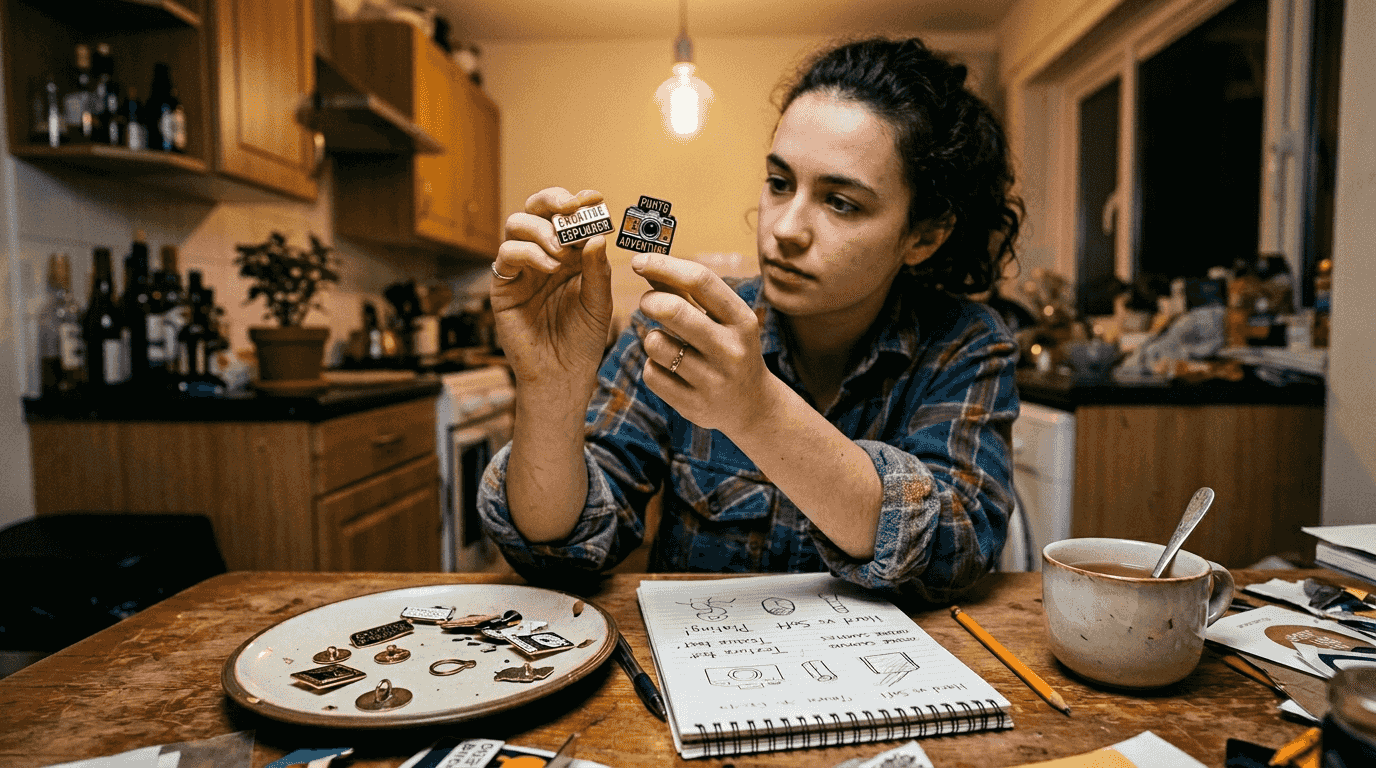
Plating quality separates pins that maintain their luster from those that tarnish within weeks. Quality electroplating requires proper surface preparation, controlled chemical bath composition, and adequate plating thickness. Gold plating resists tarnishing best but costs more, while silver and nickel plating offer good protection at lower price points. Black nickel creates contemporary matte finishes popular in modern branding.
Special finishes like glitter, translucent effects, and glow-in-the-dark elements add perceived value and customization options. These treatments increase production complexity and cost but create memorable promotional items that stand out at events. Pearl finishes, sandblasted textures, and screen-printed details offer additional differentiation.
When comparing enamel versus acrylic pin options, consider that acrylic allows photographic printing but lacks the dimensional quality and durability of traditional enamel. Each material serves specific promotional contexts based on your budget, design complexity, and intended use duration.
Common misconceptions about pin craftsmanship
Several persistent myths confuse buyers and lead to poor purchasing decisions. Clearing up these misconceptions helps you evaluate manufacturers accurately and set appropriate quality expectations.
Price doesn’t automatically correlate with quality. Some manufacturers charge premium prices while using the same base materials and processes as economy suppliers. Conversely, suspiciously low prices often indicate shortcuts in metal thickness, plating quality, or quality control. Focus on material specifications and manufacturing details rather than price alone.
Soft enamel isn’t inferior to hard enamel, just different. The textured surface of soft enamel creates visual dimension and tactile interest that some designs benefit from. Hard enamel’s smooth finish suits formal corporate applications and situations requiring maximum durability. Your choice should match the pin’s intended use and design style rather than assuming one type inherently surpasses the other.
Visible defects stem from poor craftsmanship, not design limitations. Manufacturers sometimes blame design complexity for color bleeding, incomplete fills, or misaligned elements. While intricate designs require more skill, quality manufacturers consistently produce clean results regardless of complexity. Defects indicate inadequate quality control or outdated equipment.
Durability problems often trace to overlooked backing quality. Businesses focus on front-facing aesthetics while ignoring backing posts, clutches, or magnetic attachments. Weak backings cause pins to fall off clothing, frustrating wearers and wasting your promotional investment. Specify rubber clutches for secure attachment or explore magnetic backings for jacket-friendly alternatives.
Pro Tip: Always request and inspect physical samples before committing to bulk orders. Digital mockups can’t reveal actual enamel texture, metal weight, color accuracy, or backing strength. The small sample cost prevents discovering quality issues after receiving thousands of substandard pins.
Comparing pin styles: soft enamel, hard enamel, and more
Choosing the right pin style requires understanding how craftsmanship differences affect appearance, durability, and cost. Each style serves specific promotional contexts and budget constraints.
| Pin Style | Surface Texture | Durability | Typical Cost | Best Applications |
|---|---|---|---|---|
| Soft Enamel | Textured, recessed colors | Good for indoor use | $1.50-$3.00 per pin | Trade show giveaways, employee recognition, fundraising merchandise |
| Hard Enamel | Smooth, polished surface | Excellent scratch resistance | $2.50-$5.00 per pin | Corporate gifts, premium collectibles, long-term brand ambassadors |
| Die Struck | Metal texture only | Excellent, no enamel to chip | $2.00-$4.00 per pin | Classic formal events, luxury brand promotions, commemorative pieces |
| Printed Pins | Flat printed surface | Fair, prone to scratching | $1.00-$2.50 per pin | Photographic designs, temporary campaigns, budget-conscious mass distribution |
Soft enamel pins dominate cost-effective promotional applications. The recessed enamel creates appealing dimension while keeping production costs manageable for large quantities. These pins work perfectly for event giveaways, nonprofit fundraising, and situations where budget constraints matter more than maximum durability. The textured surface actually enhances certain design styles, particularly those with bold graphics and clear color separation.
Hard enamel pins justify their premium pricing through superior scratch resistance and polished appearance. The smooth surface results from additional polishing that brings enamel flush with metal ridges, followed by protective coating. This style suits executive gifts, high-end collectibles, or situations where pins represent lasting brand commitments. Museums, cultural institutions, and luxury brands favor hard enamel for its refined aesthetic.
Die struck pins eliminate enamel entirely, relying on raised and recessed metal surfaces to create visual interest. This classic approach produces elegant results perfect for formal occasions, anniversary commemorations, or brands emphasizing heritage and tradition. Without enamel to chip or fade, die struck pins offer exceptional longevity.
Your choice should balance design requirements, budget constraints, and intended use duration. Consider order quantities too, as larger orders reduce per-unit costs significantly across all styles.
Craftsmanship’s role in brand storytelling and promotional success
Superior pin craftsmanship amplifies your brand message and drives measurable promotional outcomes. The quality difference between well-crafted and cheaply made pins directly impacts how recipients perceive and interact with your brand.
Quality pins significantly boost brand recall. Promotional pins can increase event engagement by creating tangible connections between attendees and brand messages. Recipients keep well-made pins for years, providing ongoing brand exposure far exceeding the initial investment. Each time someone wears or notices the pin, your brand receives additional impressions.
Detailed craftsmanship enables sophisticated storytelling through visual elements. Cultural symbols, organizational values, and event themes translate into wearable narratives that spark conversations. Museum pins exemplify this approach, transforming institutional branding into personal mementos visitors proudly display. The physical permanence of quality pins makes them ideal vessels for meaningful brand stories.
Craftsmanship quality influences recipient behavior in measurable ways:
- Well-crafted pins get worn repeatedly, multiplying brand impressions through public display
- Premium finish quality signals brand professionalism and attention to detail
- Durable construction ensures pins remain attractive throughout extended wear periods
- Thoughtful design incorporating relevant symbols creates emotional connections with target audiences
- Collectibility drives recipients to seek additional pins from the same brand or event series
For organizations using pins in fundraising, quality directly affects perceived value and donation willingness. Donors appreciate receiving tangible items that reflect the care and professionalism they expect from supported causes. Cheap, poorly made pins undermine fundraising efforts by suggesting organizational carelessness.
Event planners recognize that pin quality contributes to overall event perception. Attendees judge events partly through the quality of materials provided, including promotional items. Investing in superior pin craftsmanship enhances the entire event experience and strengthens post-event brand associations.
How to evaluate and order custom enamel pins for your business
Applying your craftsmanship knowledge to actual ordering requires systematic evaluation and clear communication with manufacturers. This practical checklist guides quality-focused purchasing decisions.
Before requesting quotes, clarify your requirements:
- Define pin size, typically ranging from 0.75 to 2 inches for standard promotional applications
- Select metal type based on durability needs and budget constraints
- Choose between soft enamel, hard enamel, or die struck styles matching your design and budget
- Specify plating finish coordinating with brand colors and desired aesthetic
- Determine backing type, considering rubber clutches for security or magnetic backs for jacket-friendly options
- Calculate quantity needs balancing event requirements with bulk pricing advantages
When evaluating manufacturers, ask specific quality-focused questions:
- What metal thickness do you use for base construction?
- How many quality inspection checkpoints occur during production?
- Can you provide physical samples before bulk production approval?
- What defect rate should I expect, and how do you handle replacements?
- Do you offer design consultation to optimize artwork for manufacturing?
- What lead times apply for sample production versus bulk orders?
Review manufacturer-provided specifications carefully. Vague descriptions like